

Pet Belongings After Death: A Gentle Guide to Your Choices
Your pet's leash still hangs by the door, and their favorite blanket still smells like them. If you're facing pet belongings after death, you may feel stuck between wanting everything kept exactly as it is and wanting the house to feel bearable again. That tug-of-war is normal. You don't have to settle it all in one weekend. This guide walks through the choices grieving owners make most often, from waiting and sorting to keeping, sharing, and donating, so you can take each step at a pace that feels kind to you.
Table of Contents
- Quick Takeaways
- Give Yourself Permission to Wait
- Sorting Pet Belongings Without Rushing
- Pet Loss Belongings Guilt and How to Ease It
- Keeping, Sharing, or Donating: Your Options
- Donating Pet Items to Shelters and Rescues
- Creating Memorials From Keepsakes
- Comparing Your Options for Pet Belongings
- Frequently Asked Questions How long should I wait before dealing with my pet's belongings? There's no set timeline. Many owners wait a few weeks or months, but you can start whenever it feels manageable. If you're not sure, begin with the least emotional items, like unopened food and supplies, and leave the rest for later. Is it normal to feel guilty about giving away my pet's things? Yes, it's very common. Guilt often comes from love and the fear that letting go means forgetting. Keeping a few meaningful items and sharing or donating the rest can honor your pet while still making room for your life. What should I do with my pet's food and medications? Unopened food can often go to a shelter or a neighbor with a pet, as long as it's sealed and within date. Don't throw medications in the trash or flush them. Ask your veterinary clinic or pharmacy about safe disposal options. Can I donate used pet bedding and toys? Some groups accept gently used items, but many can't take used bedding or damaged toys. Call the shelter or rescue ahead of time, describe what you have, and ask what they need most. Should I let my other pets use my deceased pet's things? Many owners find it comforting to share familiar beds or toys with surviving pets. Introduce items gently and watch how each animal responds. If a pet seems uninterested or unsettled, you can simply set the item aside. What is a simple memorial I can make at home? A small shadowbox with a collar tag, a favorite photo, and a handwritten note is one of the simplest options. A keepsake box or a framed paw print works well too. Choose whatever feels right for your home and your heart. We'd love to hear how you've handled your pet's belongings, what helped most, and what you wish someone had told you, so please share your experience with us. References
Quick Takeaways
| Key Insight | Explanation |
|---|---|
| Wait before you sort | Grief can make quick decisions feel urgent and later regrettable, so give yourself a few weeks or months if you can. |
| Start with consumables | Unopened food and supplies carry the least emotional weight, which makes them a gentle first step. Take unused medications to a pharmacy or local disposal program. |
| Sort into three piles | Keep, share, and decide later. The decide later pile is allowed to be large. |
| Limit your keepsakes | A small set of three to five meaningful items is easier to display and revisit than a full room of belongings. |
| Call before donating | Ask the shelter or rescue what they need most, since many groups can't accept used bedding or damaged toys. |
| Share with surviving pets | Familiar beds and toys can comfort other pets, so introduce them slowly and watch how each animal responds. |
| Turn one item into a memorial | A shadowbox, memory blanket, engraved ring, or ceramic mug can hold the memory without filling your home. |
Give Yourself Permission to Wait
The first thing we tell people is simple: you don't have to decide anything right away. In the days after a loss, your mind is busy with vet records, phone calls, and a silence that feels louder than you expected. Asking yourself to sort a closet full of toys on top of that is a lot to ask.
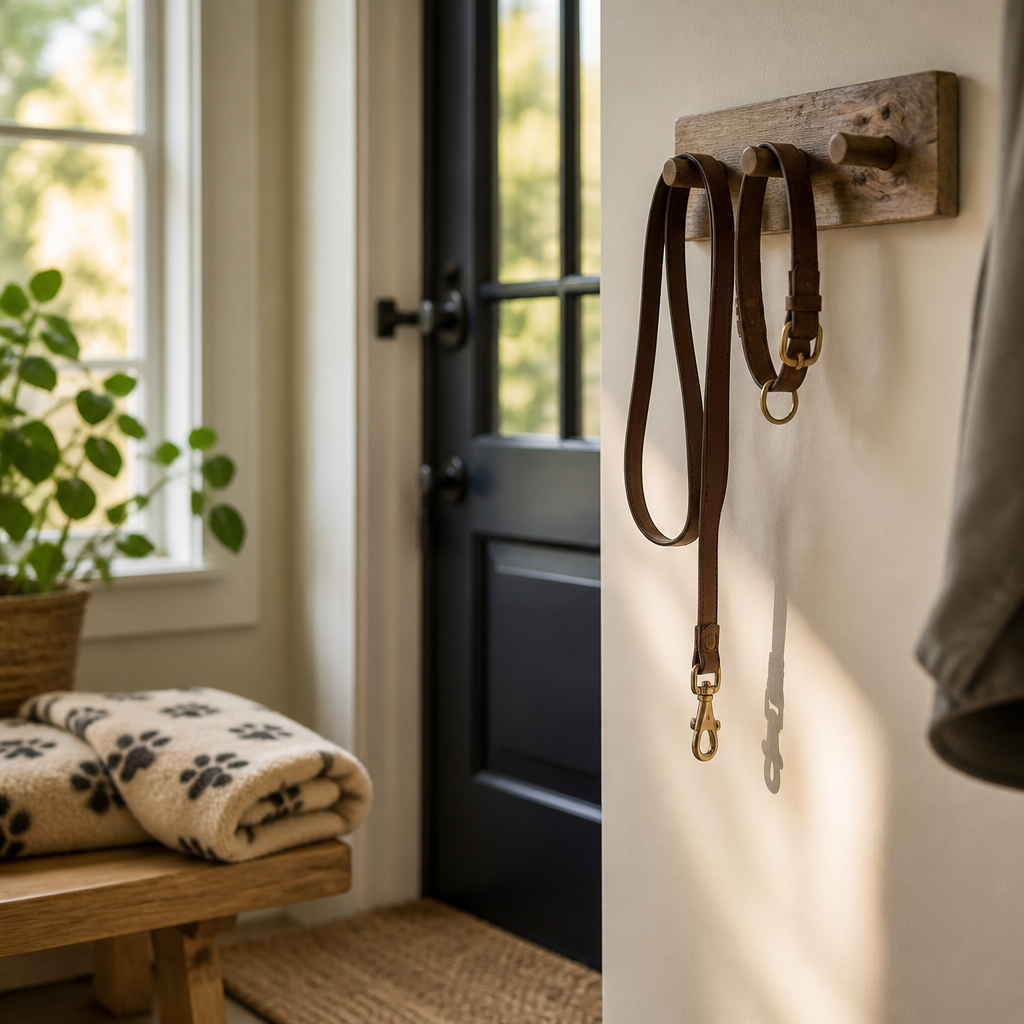
Waiting is not avoidance. It's giving your heart room to catch up with what happened. Many owners find that a few weeks, or even a few months, makes the next decisions feel clearer and less rushed. Some people never feel ready to touch certain items, and that's okay too.
Why the First Weeks Feel So Heavy
In practice, the items that hit hardest are the everyday ones. A water bowl still on the kitchen floor, a collar on the hook, or a bed still shaped like your pet can each feel like a small ambush. These objects carry routines, and routines are hard to undo in a single afternoon.
A practical step that helps is to move the most painful items out of sight, not out of your life. Put the collar in a drawer, or set the bed in a spare corner with a blanket over it. You're buying time without making a permanent decision.
Choosing a Timeline That Fits You
There's no correct date on the calendar. Some owners want to clear things out before the holidays because the house feels too full of memories. Others wait until the anniversary of their pet's passing. Both choices are valid, and both can be made gently.
If you live with other people, agree on a rough timeline together. Maybe the kitchen gets handled first and the bedroom waits. A soft target, like "we'll look at the toys next month," gives everyone something to hold onto without forcing a deadline on anyone.
Sorting Pet Belongings Without Rushing
When you're ready to start, sort by category rather than by room. Taking on one type of item at a time keeps the job manageable, and it helps you notice which things you have strong feelings about. A simple way to begin is with three piles: keep, share, and decide later. The decide later pile is allowed to be big.
Work in short sessions, maybe thirty minutes at a time. Stop when you feel worn out, and come back another day. Sorting while exhausted is when mistakes happen, like tossing something you wish you'd kept.
Food, Medications, and Supplies
These items usually carry the least emotional weight, which makes them a good place to start. Unopened food can often go to a local shelter or to a neighbor with a pet, as long as it's sealed and within date. Open bags are harder to pass on, so check with the recipient first.
Leftover medications need a different approach. Don't flush them or drop them in the trash without checking first. Many pharmacies and local disposal programs accept unused medications, and your veterinary clinic can point you to a safe option.
Beds, Blankets, and Clothing
Soft items are often the hardest. A favorite blanket may still carry your pet's scent, and that's exactly why it feels precious. You don't have to wash it right away, and you don't have to keep the whole stack. Pick the one or two pieces that mean the most and let the rest move on to another home.
Worn clothing is often more useful as cleaning rags than as a donation, since many shelters can't accept stained or damaged items. Check with the group before you drop anything off.
Collars, Tags, and Toys
Collars and tags are small, but they hold a lot of meaning. Many owners keep the tag and let the collar go, or the other way around. Toys can be split into two groups: those your pet loved most, which you keep, and those that are simply worn out, which can be recycled or thrown away.
Pro tip: Take a photo of an item before you pack it away or pass it along. A picture keeps the memory close when the object itself has left the house.
Pet Loss Belongings Guilt and How to Ease It
If you've felt a pang of guilt while looking at your pet's things, please know you're in good company. Many grieving owners feel like they're failing their pet when they consider giving something away, or like they're failing themselves when they can't bring themselves to touch anything at all. Both feelings come from love.
The guilt usually tells a story: that letting go means forgetting, or that a good owner would keep everything forever. That story isn't true. Your bond with your pet lives in how you remember them, not in the number of objects you store.
Why Giving Something Away Can Feel Like Betrayal
Your pet's belongings are tied to moments you shared, like the walk to the park or the nap on the couch. Handing a toy to a stranger can feel like handing over the moment too. That reaction is a sign of attachment, not a sign that you've done something wrong.
Grief rarely asks for perfect decisions. It asks for small, honest steps that you can live with, one day at a time.
When Keeping Everything Stops Helping
There's a point where keeping everything begins to hurt more than it comforts. Maybe you can't walk past the hallway without tearing up, or the stack of pet supplies has taken over the spare room. Noticing that is not a failure. It's information.
Try a small test: pick up one item and ask whether it brings comfort or only pain. If it feels heavy with no comfort, it's okay to move it to the decide later box and check again next month.
Letting a Friend Help
You don't have to do this alone. A trusted friend or family member can sit with you, hold the box, and tell you when you've picked the right things. Some people find it easier to decide when someone else is quietly present, and it can take some of the weight off.
Ask for what you need. "Can you come over Saturday and help me with the bedroom?" is a clear, kind request that most loved ones will be glad to hear.
Keeping, Sharing, or Donating: Your Options
Most owners end up using a mix of three paths: keeping, sharing, and donating. There's no single right answer, and many people choose a different mix for each category of item. What matters is that each choice feels intentional rather than rushed.
It helps to decide what you want to hold onto before you decide where everything else goes. Once you know your keepsakes, the rest becomes much easier to place.
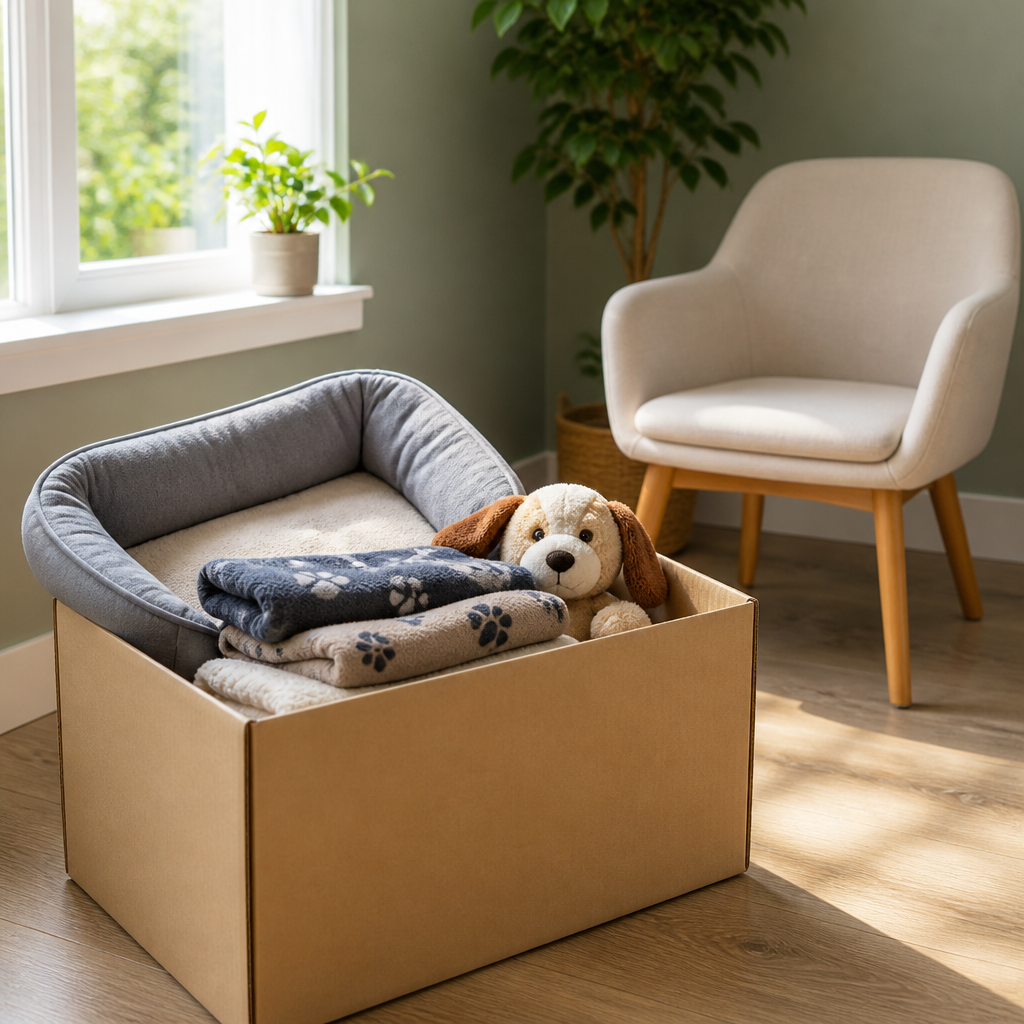
Keeping a Small, Meaningful Set
A helpful rule is to choose a small set of keepsakes, maybe three to five items, that represent your pet in a meaningful way. These could be a collar, a favorite toy, a paw print, or a photo. A smaller collection is easier to display, easier to care for, and easier to revisit without feeling overwhelmed.
Passing Items to Surviving Pets
If you have other animals at home, they may notice the empty space too. Some owners give familiar toys or a bed to a surviving pet, which can bring comfort to everyone. Treating these items as hand-me-downs, rather than as sacred keepsakes, often makes the handoff feel natural.
Keep an eye on how your pets respond. Some will enjoy a new toy right away, while others need time. There's no need to force it.
Storing Items in a Keepsake Box
A dedicated box is one of the simplest ways to hold onto what matters without leaving everything on display. Label it, add a few notes or photos, and store it somewhere you can find it when you want to. Many owners find that knowing the box exists gives them permission to rest.
Donating Pet Items to Shelters and Rescues
Donating can feel like a loving next step, because your pet's things can help animals who are still waiting for a home. It can also give your grief a useful outlet. A Psychology Today article on coping with pet loss notes that some people find donating a pet's possessions helps them work through the loss.
Donating works best when it's planned. A box of random items dropped off unannounced can end up in a bin that nobody wanted to deal with, or in a landfill.
Who Accepts Used Pet Items
Local shelters, rescue groups, and some animal care organizations accept gently used items. Policies differ widely, though. Many groups can't take used bedding, worn toys, or anything stained, so check before you load the car. Some only accept new items, which is worth knowing too.
Calling Ahead Before You Drive
A quick phone call or email saves everyone time. Tell the organization what you have and ask what's most needed right now. That question tends to get a practical answer, like towels, food bowls, or cleaning supplies, and it helps your donation actually get used.
Pro tip: Ask whether the organization prefers supply donations or monetary gifts. Some groups can stretch money further than a box of used items, and a small gift in your pet's name can be just as meaningful.
Giving to Groups That Help Animals in Need
If your goal is to help animals specifically, think about who works in your local area. Ask the group what they're short on, and whether they run a foster program or a pet food pantry. Matching your donation to a real need makes it easier to feel good about where it went.
Creating Memorials From Keepsakes
For many owners, the most healing part of this process is turning a few meaningful items into something lasting. A memorial doesn't need to be large. It just needs to hold the memories you want close. Some people create a display in the living room, while others keep a private corner for quiet moments.
Shadowboxes and Display Frames
A shadowbox is a popular choice because it lets you arrange a collar, a tag, a photo, and a handwritten note in one place. Choose a frame deep enough for the items you want to show, and place it somewhere you pass often but aren't forced to stare at every second. Many owners also add a date or a short line about their pet's personality.
Memory Blankets and Pillows
Turning a favorite photo or a piece of your pet's artwork into a blanket or pillow lets you keep it close in daily life. The Soul Keep's woven blankets and memorial pillows are made for exactly this, so you can wrap yourself in comfort on the harder evenings. Soft keepsakes can bring a sense of closeness that a framed photo sometimes can't.
Engraved and Ceramic Keepsakes
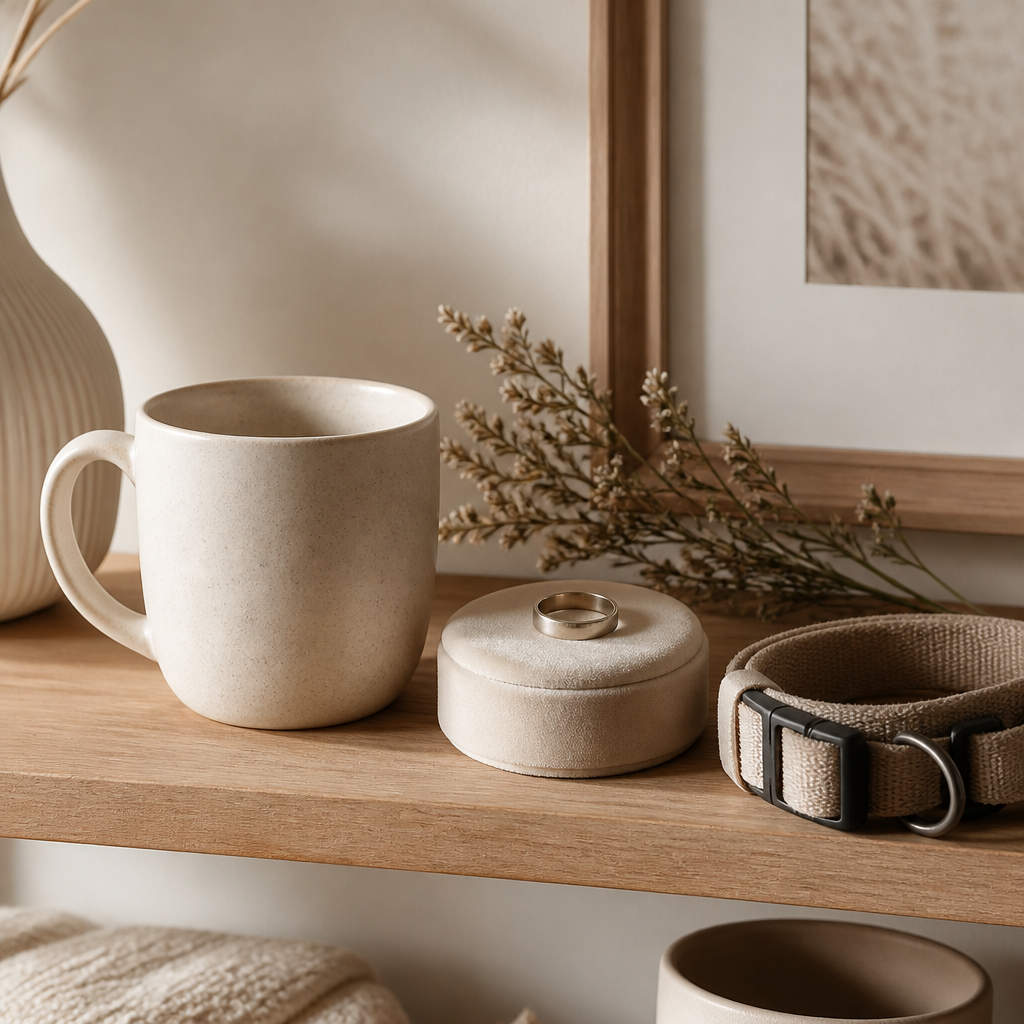
Smaller pieces, like an engraved ring, a ceramic mug, or a car ornament, let you carry your pet with you in everyday moments. A mug for your morning coffee or a charm on your rearview mirror can turn grief into a quiet, daily reminder of love. Choose the item that fits how you live, not just what looks good in a photo.
Comparing Your Options for Pet Belongings
When you're stuck, it can help to see the main paths side by side. Each one suits a different kind of item and a different stage of grief. Most families use more than one option, and you can switch paths as you go.
Some owners find it useful to think in terms of effort, emotional weight, and who benefits. A keepsake box takes little effort but can be emotionally heavy. Donating takes more coordination, though it can bring a sense of purpose.
Side by Side
| Approach | Best For | Things to Watch For |
|---|---|---|
| Keep and display | Collars, tags, photos, and a few favorite toys | Can become overwhelming if too many items stay out in view |
| Share with surviving pets | Familiar beds, toys, and treats that other pets already enjoy | Check for wear, and introduce items slowly so your pets feel comfortable |
| Donate to a shelter or rescue | Unopened food, clean supplies, and gently used items the group has requested | Call ahead, since many groups can't accept used bedding or damaged goods |
How to Pick the Right Path
Start with the item, not the category. Ask whether it's a keepsake, a useful item, or something you're simply not ready to decide on. Most of the time, the answer will point you toward one of the three paths. If you're unsure, wait.
Frequently Asked Questions
How long should I wait before dealing with my pet's belongings?
There's no set timeline. Many owners wait a few weeks or months, but you can start whenever it feels manageable. If you're not sure, begin with the least emotional items, like unopened food and supplies, and leave the rest for later.
Is it normal to feel guilty about giving away my pet's things?
Yes, it's very common. Guilt often comes from love and the fear that letting go means forgetting. Keeping a few meaningful items and sharing or donating the rest can honor your pet while still making room for your life.
What should I do with my pet's food and medications?
Unopened food can often go to a shelter or a neighbor with a pet, as long as it's sealed and within date. Don't throw medications in the trash or flush them. Ask your veterinary clinic or pharmacy about safe disposal options.
Can I donate used pet bedding and toys?
Some groups accept gently used items, but many can't take used bedding or damaged toys. Call the shelter or rescue ahead of time, describe what you have, and ask what they need most.
Should I let my other pets use my deceased pet's things?
Many owners find it comforting to share familiar beds or toys with surviving pets. Introduce items gently and watch how each animal responds. If a pet seems uninterested or unsettled, you can simply set the item aside.
What is a simple memorial I can make at home?
A small shadowbox with a collar tag, a favorite photo, and a handwritten note is one of the simplest options. A keepsake box or a framed paw print works well too. Choose whatever feels right for your home and your heart.
We'd love to hear how you've handled your pet's belongings, what helped most, and what you wish someone had told you, so please share your experience with us.