

Pet Loss Grief in Autumn: What Changes and What Helps
There's something about October that makes grief feel heavier. If you've lost a beloved pet and you're finding this autumn particularly difficult, you're not imagining it. Pet loss grief in autumn is a real, well-documented experience, and the season itself has a quiet way of pulling those feelings back to the surface. The falling leaves, the shorter days, the cooling air, the way the world seems to be letting go of something too. It all mirrors what you're already carrying inside. You deserve to understand why that happens, and more importantly, what gentle, real steps can actually help.
Table of Contents
- Quick Takeaways
- Why Autumn Intensifies Pet Grief
- Seasonal Pet Grief vs. Seasonal Affective Disorder
- The Triggers You Might Not Expect
- Coping With Pet Loss in Fall: Gentle Practices That Help
- The Power of a Tangible Memorial
- Comparison of Ways to Honor Your Pet This Season
- Frequently Asked Questions
- References
Quick Takeaways
| Key Insight | Explanation |
|---|---|
| Autumn amplifies grief naturally | The season's visual cues, scents, and shorter days mirror the themes of loss and letting go, making pet bereavement feel more intense. |
| Seasonal pet grief is not the same as SAD | Seasonal grief is triggered by memories and emotional associations tied to a specific time of year, while Seasonal Affective Disorder (SAD) is a clinical mood disorder linked to reduced light exposure. |
| Grief comes in waves, not stages | Most pet owners experience grief that ebbs and flows, especially around seasonal transitions. This is normal, not a sign of going backward in healing. |
| Sensory triggers are powerful and unexpected | The smell of wood smoke, the crunch of leaves underfoot, or the early darkness of a fall evening can bring grief rushing back without warning. |
| A tangible memorial keepsake can anchor healing | Having a physical object that honors your pet, like a personalized blanket or engraved ring, gives grief somewhere to land and provides real comfort during hard seasons. |
| Routine disruption makes fall grief harder | If your pet was part of your daily autumn rituals, like walks in the leaves or cozy evenings together, those gaps feel especially sharp this time of year. |
| Community and acknowledgment genuinely help | Pet bereavement is valid grief. Seeking out others who understand, whether online or in person, reduces the isolation that autumn can deepen. |
Why Autumn Intensifies Pet Grief
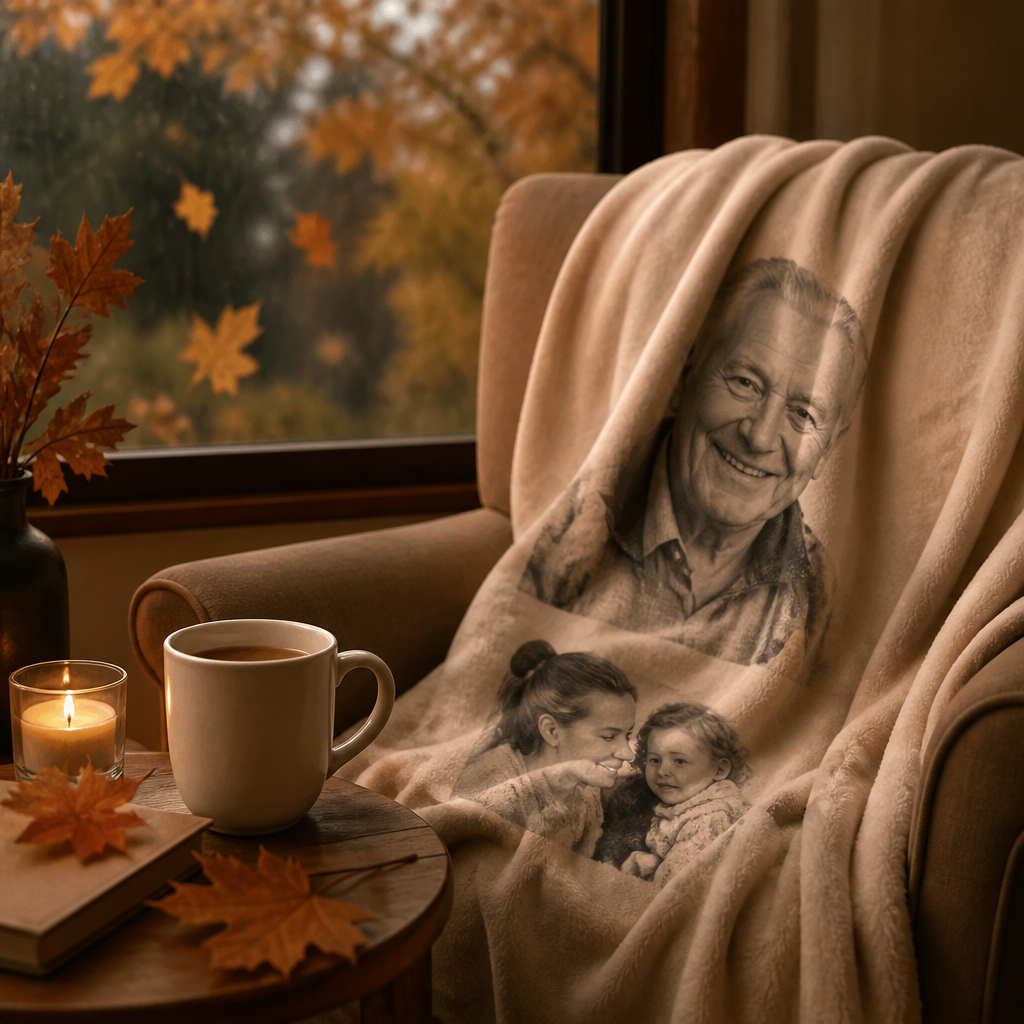
If there's one season that carries the weight of endings, it's autumn. The natural world is visibly releasing and letting go, and that imagery works on us in ways we don't always consciously register. Leaves turn brilliant shades of red and gold before they fall. The air carries a faint, earthy scent of things returning to the soil. Days grow shorter. There's a pervasive, beautiful melancholy to the whole season.
For anyone navigating seasonal pet grief, this backdrop makes the internal experience feel louder. You might have been managing well through summer, and then September arrives and something just shifts. That's not weakness or regression. That is the season doing what it does, and your heart responding honestly.
In many cultural and philosophical traditions, autumn has long been associated with grief and courage. The idea is that facing loss, sitting with it, and continuing to move forward anyway requires a particular kind of strength. Grieving your pet through fall asks exactly that of you, and you are more than capable of it.
"Fall is the season of loss. Couple the turning of the leaves with the sweet, earthy scent of decomposition and the crispness that permeates the air, and we are suddenly inhabiting a very different atmosphere. In times of grief, we may be reminded of what we, ourselves, have lost."
This is why so many people who thought they were doing better find themselves blindsided by grief in October. The season itself is a gentle, constant reminder that everything changes and everything passes. When you've lost a pet you loved deeply, that reminder is personal.

Seasonal Pet Grief vs. Seasonal Affective Disorder
It's worth pausing here to gently separate two things that often get tangled together. Seasonal pet grief and Seasonal Affective Disorder (SAD) are different experiences, and understanding the difference helps you respond to yourself with the right kind of care.
What seasonal pet grief looks like
Seasonal grief is what happens when the traditions, sights, smells, or rhythms of a particular time of year reopen the wound of a loss. If your dog used to race through the leaf piles in your backyard every October, and now October is here and the leaves are falling without her, that grief is seasonal in nature. It's connected to memory, ritual, and the particular emotional texture of this time of year. It's not a clinical condition. It's a deeply human response to love and loss.
What Seasonal Affective Disorder looks like
SAD, on the other hand, is classified as a form of major depressive disorder with a seasonal pattern, typically beginning in fall and extending into winter months. It's linked to reduced daylight, shifts in serotonin and melatonin levels, and can involve persistent low mood, fatigue, changes in sleep and appetite, and difficulty concentrating. SAD is a clinical condition that responds well to treatment, including light therapy, therapy, and sometimes medication.
The two can overlap. If you're already prone to SAD, losing a pet can make this season significantly harder. If you notice that your grief is blending with symptoms that feel larger than sadness about your pet specifically, such as persistent low energy, disrupted sleep, or a pervasive feeling of numbness, it's a good idea to talk with a healthcare provider. Being kind to yourself means taking your whole wellbeing seriously.
Pro tip: Keep a simple mood journal through autumn. Even a few words each day about what you're feeling and what seemed to trigger it can help you see patterns, distinguish between grief waves and deeper mood shifts, and identify what actually helps you feel a little lighter.
The Triggers You Might Not Expect
Grief doesn't always announce itself. Sometimes it arrives quietly, through a smell or a sound, before you even have a chance to brace for it. This is especially true in autumn, a season rich with sensory detail.
The unexpected sensory reminders
Wood smoke. Cinnamon. The particular light of a late afternoon in October, golden and low and fading fast. If your pet was part of your autumn evenings, your body remembers. These sensory triggers can bring grief rushing forward with almost no warning, and that can feel disorienting, even frightening.
Understanding that this is a normal part of pet bereavement helps. Your nervous system formed deep associations between your pet and the sensory world you shared. When that sensory world returns each autumn, those associations activate. You haven't gone backward. Your love is simply that real and that lasting.
The routines that feel hollow now
Many of our pets were woven into our daily fall routines in ways we didn't fully appreciate until they were gone. Morning walks in the crisp air. A cat curled beside you on the couch while you watched the leaves from the window. The particular comfort of having a warm, living presence next to you as the nights got longer.
Those empty spaces in your routine are some of the most painful triggers of all. They're quiet, they're ordinary, and they happen every single day. If you find certain times of day or certain activities particularly hard right now, that makes complete sense. Coping with pet loss in fall often means learning to move gently through those daily gaps while you build new rhythms.
Pro tip: If a specific routine feels unbearable right now, try gently reshaping it rather than forcing yourself through it or avoiding it entirely. Take a different walking route. Light a candle at the time you used to feed them. Small changes can help your nervous system start building new associations, without erasing what was.
Coping With Pet Loss in Fall: Gentle Practices That Help
There is no shortcut through grief, and anyone who promises one isn't telling you the truth. But there are practices that make the journey more bearable, especially during a season that asks so much of a grieving heart. Here's what genuinely helps.
Let yourself feel it, not just manage it
The instinct to stay busy, to push through, is understandable. But grief that gets consistently managed away doesn't resolve. It accumulates. Giving yourself actual time to feel what you feel, to cry if you need to, to sit with the absence, is not self-indulgence. It's how healing works. Your pet deserved to be loved. Your grief is evidence of that love. Let it move through you.
Maintain gentle structure in your days
When grief is acute, structure helps hold you. You don't need a rigid schedule, but having a few anchoring points in your day, a morning walk, a regular meal, an evening ritual that's just for you, can provide the framework that makes the harder moments more manageable. Finding comfort in routines is a recognized part of navigating pet loss, and in autumn especially, when the days shorten and the light fades early, those anchors matter.
Reach out, even when it feels like too much
Pet bereavement is real grief, and yet it's often minimized by people who haven't experienced it. That lack of acknowledgment can deepen isolation, particularly during a season that already invites withdrawal. Seek out people who understand, whether that's a close friend who loved your pet too, an online pet loss community, or a grief counselor who works with animal loss. Being heard makes a tangible difference.
Create a small autumn ritual of remembrance
Seasonal rituals give grief a container. They say: here is a moment specifically set aside to honor what we lost. Some people plant a bulb in their pet's memory in fall, knowing it will bloom in spring. Others light a candle on a particular evening each week. The ritual doesn't need to be elaborate. It just needs to be intentional, a moment where you pause and say, "I remember you."
The Power of a Tangible Memorial
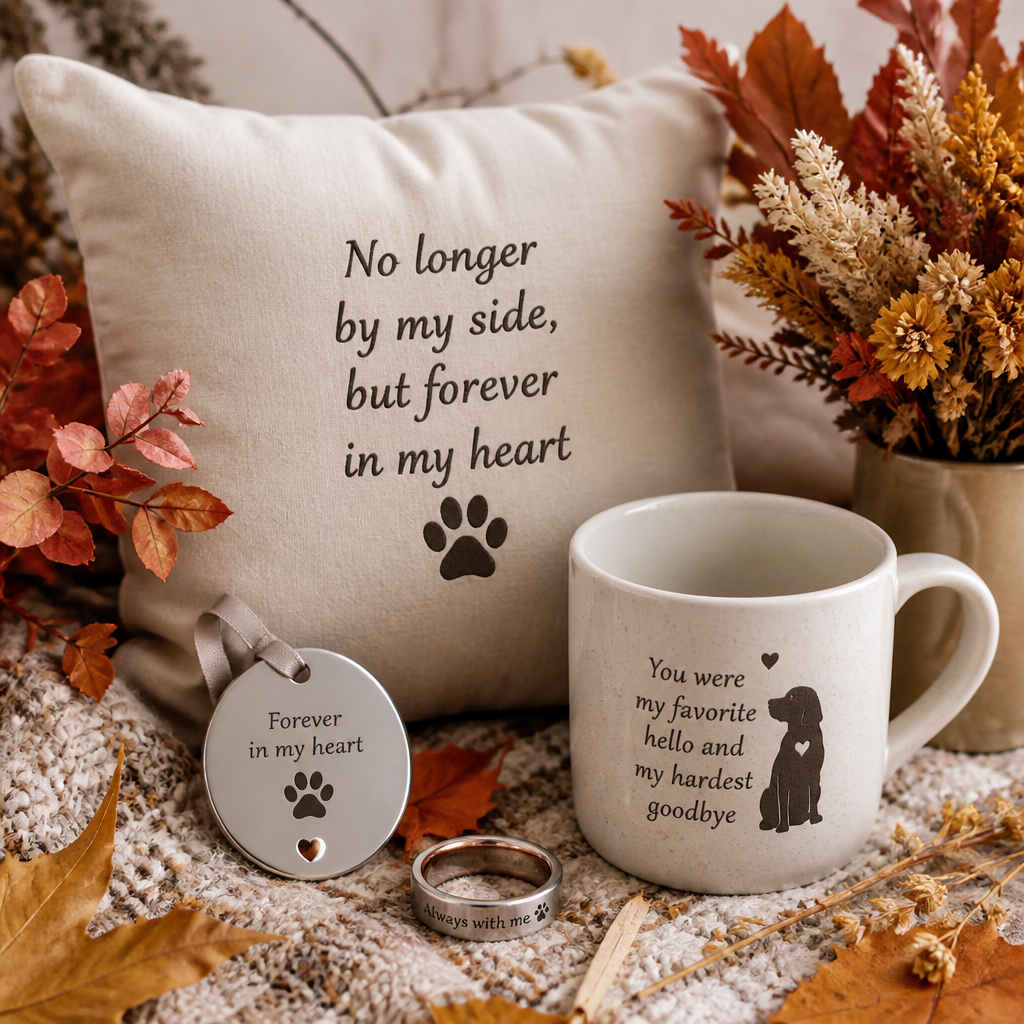
One of the most consistent things we hear from people who have lost a beloved pet is this: having something physical to hold onto helps. Not in a way that replaces the grief, but in a way that gives it somewhere to live. A pet memorial keepsake does something that words often can't. It makes the love visible.
Autumn is actually a meaningful time to create or choose a memorial. The season carries its own themes of honoring, remembering, and cherishing what was. Cultures around the world use this time of year specifically for remembrance. Giving yourself a tangible object that connects you to your pet, something crafted with care and personalized to the unique bond you shared, is one of the kindest things you can do for yourself right now.
At The Soul Keep, every memorial piece is designed with exactly this in mind. A woven blanket carrying your pet's image and name is something you can wrap yourself in on a cold October evening. An acrylic memorial brings their photo to life with a depth and clarity that feels genuinely present. An engraved ring keeps them close in the most literal way. These aren't novelties. They're crafted objects of comfort, made to honor a real and irreplaceable bond.
The act of choosing a memorial, of thinking about what best represents your pet's personality, their quirks, the exact color of their eyes, is itself a meaningful part of the grieving process. It's a way of saying: this love was real, and it still is.
You can explore personalized pet memorial keepsakes at The Soul Keep's full collection, where each piece can be customized to reflect your pet's unique story.
Comparison of Ways to Honor Your Pet This Season
| Approach | What It Offers | Best For |
|---|---|---|
| Personalized Memorial Keepsake (blanket, acrylic, ring) | A lasting, physical connection to your pet. Crafted with their image or name, meant to be kept and cherished for years. Provides daily comfort and a visible tribute. | Anyone who wants a permanent, tangible way to keep their pet close, especially during hard seasons like autumn. |
| Seasonal Ritual (candle lighting, garden planting, memory walk) | Creates a dedicated, recurring moment of remembrance. Low cost, flexible, and can evolve over time. Helps grief feel held and intentional rather than chaotic. | Those who benefit from structured, repeated acts of acknowledgment and find comfort in ritual and nature. |
| Community and Shared Remembrance (pet loss support groups, online communities) | Provides emotional validation and reduces isolation. Connects you with others who genuinely understand. Can offer practical coping strategies and a sense of shared experience. | Those who feel isolated in their grief or whose loss has not been acknowledged by people around them. |
Frequently Asked Questions
Why does my grief feel worse in autumn than it did right after my pet died?
This is actually very common. In the immediate aftermath of loss, we're often in a kind of shock that can buffer the full weight of grief. As the months pass and the seasons change, that protection fades. Autumn's sensory landscape, its visual themes of endings, its shorter days, and its quiet, reflective atmosphere can reactivate grief that had softened. It's not a sign of going backward. It's a sign that the season itself is a powerful emotional trigger, and that your love for your pet runs deep.
Is it normal to feel grief for a pet years later when autumn comes?
Completely normal. Seasonal grief doesn't have an expiration date. If autumn was a season you shared meaningfully with your pet, those associations can persist for many years. The intensity often softens over time, but the feelings may always carry a gentle undercurrent of memory, and that's not something that needs to be fixed. It's love in a different form.
How do I help a child cope with pet loss in fall, especially around Halloween or the holidays?
Children often experience grief in shorter, sharper bursts, moving in and out of sadness more fluidly than adults. Give them honest, age-appropriate language for what happened. Let them participate in a small memorial, like planting something or decorating a photo frame. Reassure them that it's okay to feel sad even when the season feels festive. Having a tangible keepsake, like a small pillow or mug with their pet's photo, can also help younger children feel connected to a beloved animal who is no longer there.
What's the difference between pet bereavement and depression after pet loss?
Pet bereavement involves sadness, yearning, disrupted sleep or appetite, and waves of intense emotion, all of which are normal and expected after losing a beloved animal. These feelings typically ease gradually over weeks or months, even if they resurface seasonally. Depression involves more pervasive, persistent symptoms that affect functioning across all areas of life, and doesn't lift in the same way. If your grief feels constant rather than wave-like, or if you're struggling to care for yourself for an extended period, speaking with a healthcare professional is a worthwhile and courageous step.
Can choosing a memorial keepsake actually help with grief, or is it just a purchase?
A thoughtfully chosen, personalized memorial keepsake is much more than a purchase. The act of selecting something that specifically represents your pet, their name, their face, their presence in your life, engages you meaningfully with your grief. It externalizes the love in a form you can see and touch, which is genuinely healing for many people. Research into grief consistently shows that tangible rituals and objects of remembrance support the grieving process. A keepsake doesn't replace the pet. It honors them, and it honors the bond you shared.
How do I talk about my pet loss grief in autumn when others don't seem to understand?
Pet loss is often minimized in ways that human loss is not, which can make seasonal grief feel even lonelier. You don't owe anyone a justification for your feelings. If you need to explain, it can help to keep it simple: "I had a really deep bond with my pet, and I'm finding this time of year particularly hard." Seeking out communities, whether local or online, where pet loss is taken seriously can provide the validation that's harder to find in everyday conversation. You deserve to be heard.
If you're sitting with autumn grief right now and you'd like to share what has helped you through it, we'd genuinely love to hear your experience in the comments below.
References
- How seasonal grief works in autumn and throughout the year, including emotional and cultural context
- Practical perspectives on navigating grief during the fall season
- A grief counselor's perspective on autumn as the season of grief and its emotional significance
- Veterinary guidance on grief and bereavement after the loss of a pet
- Understanding the difference between grief and depression following pet loss