

Pet Loss Sympathy Gift Ideas That Honor Your Companion
Losing a companion who greeted you at the door every day leaves a quiet kind of hole in your home. When a friend or family member asks what to send, you may find yourself staring at a screen full of options and feeling stuck. A pet loss sympathy gift can help, but only when it fits the bond you actually shared. In this guide, we'll walk through how to choose a gift that honors your companion, how to match it to the person grieving, and how to keep the memory close over time. No rush. Take it one small step at a time.
Table of Contents
- Quick Takeaways
- Why Choosing a Gift Feels So Hard
- Know What Kind of Memory You Want to Keep
- What Makes a Pet Loss Sympathy Gift Meaningful
- Choosing for Yourself or for Someone Who Is Grieving
- Timing, Delivery, and Giving Yourself Time
- Comparing Common Memorial Gift Types
- Keeping the Memory Alive Over Time
- Frequently Asked Questions
- References
Quick Takeaways
| Key Insight | Explanation |
|---|---|
| Start with the bond, not the product | Think about the daily routines you shared, like the evening walk or the favorite spot on the couch, before you look at any item. |
| Match the gift to the person grieving | A keepsake for a close friend feels different from a simple gesture for a coworker, so consider how close they were to your companion. |
| Choose something they can use or see every day | A blanket, mug, or pillow gets touched and used, which often feels more comforting than something tucked away in a drawer. |
| Personal details beat generic sympathy | A name, a birth date, or a favorite nickname makes the gift feel like it was made for one specific animal. |
| Look closely at quality before you order | Check materials, stitching or finishing, and care instructions, since a memorial piece is often handled for years. |
| Plan for the weeks after the loss | Many grieving owners feel the absence most in the quiet weeks that follow, so a gift that arrives later can still matter deeply. |
Why Choosing a Gift Feels So Hard
Most people have never shopped for a pet loss sympathy gift before, so it's completely normal to feel unsure. Standard sympathy cards and flower arrangements are lovely, but they don't always speak to the bond someone had with a dog, cat, or rabbit that shared their days. The good news is that a little clarity goes a long way.
When you're grieving, even small decisions can feel heavy. You might be choosing something for your own companion, or you might be shopping for a friend who wonders what to say. Either way, it helps to slow down and think about what the relationship looked like from one ordinary day to the next.
In practice, the gifts that land best usually recognize something specific. A friend who lost a senior cat may treasure a keepsake that echoes the cat's favorite sunny windowsill, while a family who lost a bouncy young dog may want something that captures that playful energy. Generic items can still comfort, but they tend to feel more personal when they carry a small, honest detail.
The mistakes people make first
A common mistake is buying the first item that appears in a search. Another is spending so long comparing options that the gift arrives weeks after the moment has passed. Neither mistake means you've failed, and both are easy to avoid once you know what to look for.
Pro tip: Before you browse, write down three words that describe your companion, such as "curious," "gentle," or "always hungry." Use those words to filter options quickly, and you'll notice which pieces feel like a match.
Know What Kind of Memory You Want to Keep
Before you pick a product, it helps to know what you want the gift to do. Some people want something to hold on the hard evenings, while others want a quiet reminder that sits on a shelf and catches the light. Your answer will point you toward the right category faster than any list of bestsellers.
Sometimes the memory you want to honor isn't an object at all. NPR has highlighted loving ways to remember a pet, including writing an obituary, growing a garden, or dedicating a day to their memory. Those ideas can inspire a gift that pairs a keepsake with a personal gesture, such as a short handwritten note about the pet's favorite toy.
Keepsakes for everyday touch
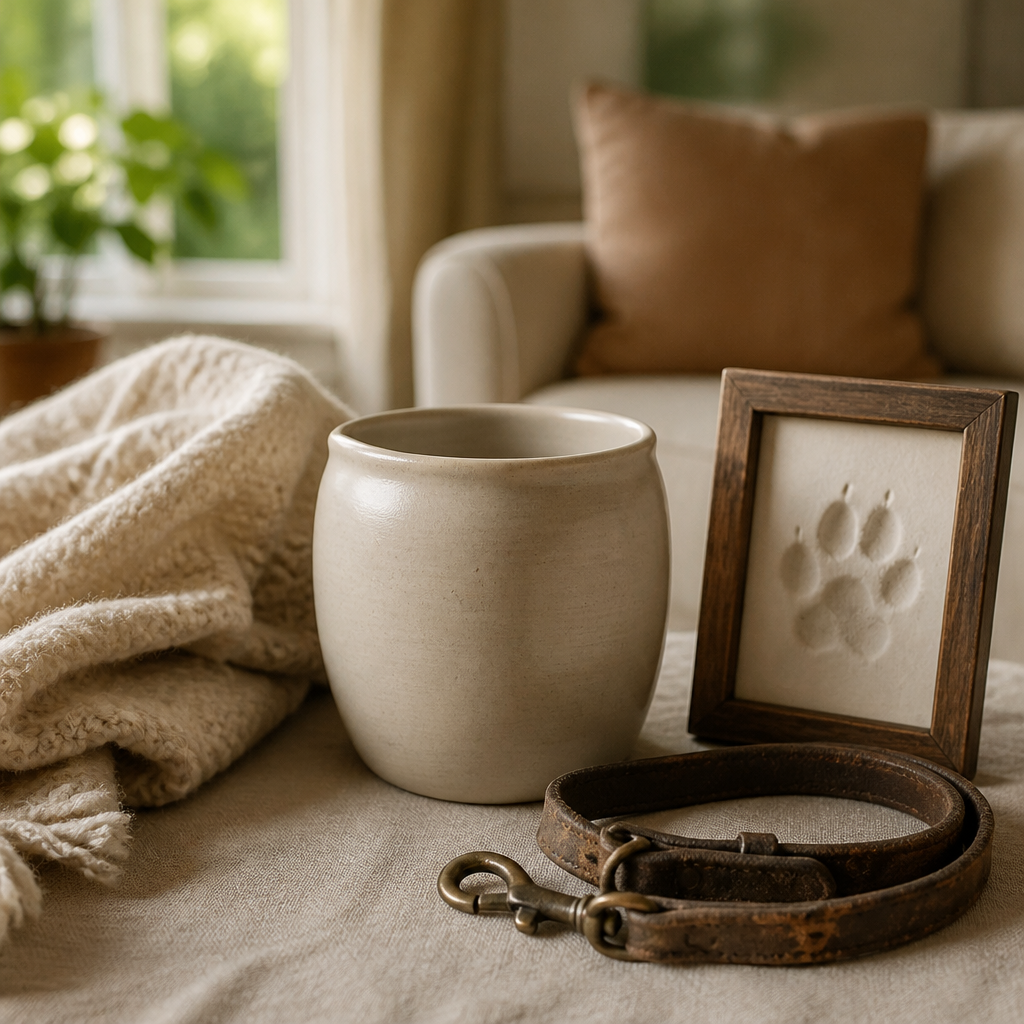
Blankets and pillows are among the most comforting choices because they invite contact. A custom blanket with a pet's name or photo can be draped over a lap on a rainy afternoon, which is often when grief feels loudest. A pillow works the same way on a sofa or bed, giving the person a soft place to rest their hand.
These pieces also work well for someone who isn't ready to look at photos. The design can stay gentle and abstract, so the reminder feels warm rather than painful. Choose a size and fabric that suit the way your friend lives, whether that means a throw for the couch or a smaller piece for a bedside chair.
Pieces for shared spaces
Mugs, dishes, and small frames live in the rooms where people gather. A ceramic mug on the kitchen counter becomes a daily ritual, morning coffee and a glance at a name that once answered to it. One reviewed list of pet loss gifts described a handmade, heart-shaped ceramic dish that can be stamped with a pet's name and a short line of remembrance, which shows how simple a shared-space keepsake can be.
Think about where your friend spends the most time. A kitchen, a desk, or a bedside table will shape how often the piece gets noticed, and that matters more than the price tag.
Wearable reminders
Some people want their companion close in a way they can carry with them. Engraved rings, pendants, and small car ornaments give that sense of closeness during errands, commutes, or long days at work. Wearable pieces are personal and discreet, which makes them a thoughtful choice for someone who may not want to talk about their loss with everyone.
What Makes a Pet Loss Sympathy Gift Meaningful
Meaning rarely comes from size or cost. It comes from the feeling that someone paid attention to the particular animal who was lost. When a gift holds a real detail, it tells the grieving person that their companion was seen, named, and remembered by someone else too.
Think about the details that defined your companion's personality. The name, the spot they claimed as their own, a catchphrase the family used, or the birthday you always celebrated are all good starting points. These details can be added as text, a date, or a simple line of tribute, and they make even a basic item feel like it belongs to one animal.
Personal details that matter
Dates deserve special thought. Some families want the birth date, others prefer the day they met, and some just want the year. Ask yourself which detail the grieving person would recognize at once. A name paired with a single word, like "loyal" or "patient," often reads more warmly than a long paragraph.
Be careful with inside jokes that only you understand. A gift works best when the recipient can read it and smile through tears, not when it leaves them wondering what it means. Keep the wording short, kind, and easy to understand.
Quality you can feel
A memorial piece often lives in someone's home for years, so quality matters more than it might for a one-time gift. Look at the materials, the finish, and how the item is cared for. If it's a blanket, check whether the care instructions are clear. If it's jewelry, check the metal and how the engraving is done.
A common mistake is choosing the cheapest option to save money, only to discover that the print fades or the surface chips after a few months. A well-made keepsake quietly says that your companion deserved something lasting, and that message is part of the comfort.
A good memorial gift does not try to replace the pet. It simply gives the grieving person a steady place to put their love.
Choosing for Yourself or for Someone Who Is Grieving
The gift you choose for yourself will look different from the one you send to someone else. When you're the one who lost a companion, you already know the little rituals and the quiet spaces that will feel empty. When you're buying for another person, your job is to notice what they've shared about their pet and to respect how they're coping.
Both situations deserve patience. Grief can show up as tears, as silence, or as a sudden need to talk about small memories. A thoughtful gift can make space for any of those responses without asking the person to do anything in return.
When you are the one grieving
If you're shopping for your own companion, give yourself permission to take a few days. You don't have to decide the day your pet passes. Some owners find it helps to wait until the first wave of shock has softened, then choose a piece that reflects the life you shared.
It's also fine to choose something that feels hard to look at right now and to store it until you're ready. Many people keep a keepsake in a drawer for months before they bring it out. That delay doesn't diminish the gift at all.
When you are sending a gift to someone else
When you're sending a pet loss sympathy gift to a friend or relative, keep the message simple. A short note that says you remember their companion and you're thinking of them often means more than a long letter. You don't need to fix the grief, and you don't need to pretend you understand exactly how it feels.
Pro tip: If you know the pet's name, use it in your note. Hearing a companion's name spoken with kindness is one of the most comforting things a grieving person can receive.
Timing, Delivery, and Giving Yourself Time
Timing can make a gift feel supportive or feel like one more task. Many people receive flowers and condolence messages in the first few days, then find the house is quiet a few weeks later. A gift that arrives during that quieter stretch can offer comfort at exactly the moment it's needed most.
There's no single right moment. If you want to be sure the gift arrives when the person may need it, consider sending it a week or two after the loss, along with a short note. If you're sending something right away, a warm message in the card can carry the first wave of sympathy.
Sending early or sending later
Sending early shows you care right away, which can be a comfort during the first shock. Sending later, when the house feels most empty, helps the gift stand out from the flurry of early messages. Either choice works well as long as the note makes it clear that you're thinking of them.
A common mistake is assuming that the grieving period ends after the funeral or cremation. Many owners still feel the absence months later, especially on the pet's birthday or the anniversary of their passing.
Writing a note that feels right
Keep your note short and specific. Mention one memory you have of their companion, such as a funny habit or the way the pet greeted visitors. Avoid phrases like "they're in a better place" unless you know the person would appreciate that kind of comfort.
Your note doesn't need to be perfect. Something like "I remember how much he loved the back porch, and I'm so sorry he's gone" is honest, warm, and easy to write.
Comparing Common Memorial Gift Types
Choosing a keepsake usually comes down to how the person will live with it. Some pieces are meant to be touched, others to be displayed, and some to be worn. The table below compares three popular categories so you can see which one fits your situation.
| Option | Best For | Things to Consider |
|---|---|---|
| Custom blankets and pillows | Someone who finds comfort in touch, especially during evenings or long nights | Check the size, fabric, and care instructions, and make sure the design still feels gentle months later |
| Ceramic mugs and dishes | A friend or family member who spends time in the kitchen or at a desk each day | Look for a clear, legible design and confirm how the piece is cleaned, since daily use will test it |
| Engraved rings and wearable keepsakes | Someone who wants a private, always-with-me reminder of their companion | Confirm the metal, the engraving space, and sizing before you order, and keep the wording short enough to read clearly |
Each option has its strengths, and none of them is the one right answer. If you're still unsure, think about the rhythm of the person's day. The gift that fits into that rhythm will usually feel the most natural.
Matching the gift to the daily routine
A blanket works well for someone who spends evenings resting at home. A mug suits someone who starts each morning with coffee and a quiet moment. A ring or pendant works for someone who commutes, works outdoors, or simply likes to keep something close.
In practice, the best choice is often the one the person would reach for without thinking. That might be the piece they use every day, or the one they keep near them on the hardest nights.
Keeping the Memory Alive Over Time
The gift is only the beginning. Over the months and years that follow, many grieving owners find new ways to keep their companion's memory present. Some look at photos on quiet mornings, some plant something in the yard, and some mark special dates with a small ritual that feels right for their family.
People who gather in pet loss communities often ask how to memorialize their animals, and the answers tend to be deeply personal. There's no checklist for grief. What helps one person may feel too heavy for another, and that's okay.
Marking anniversaries and birthdays
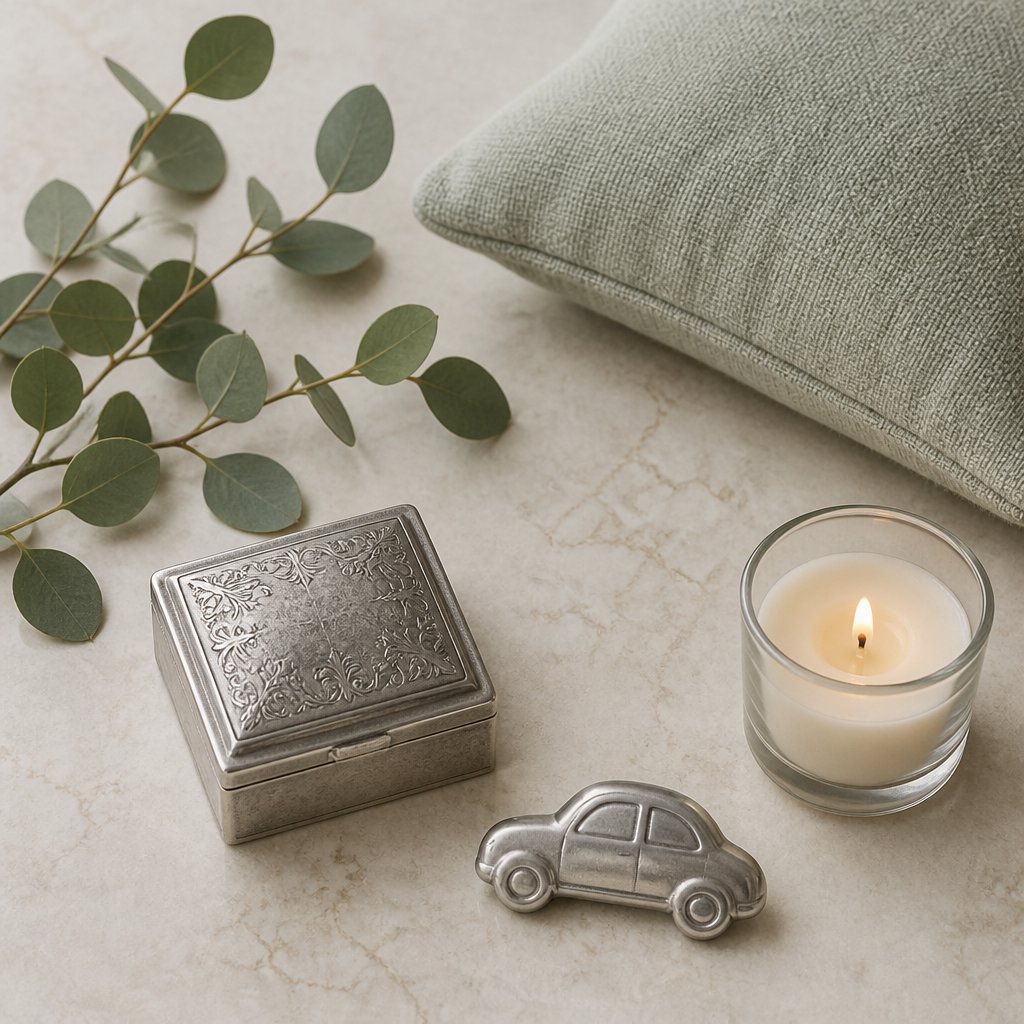
Anniversaries and birthdays can arrive without warning, and they often bring a fresh wave of sadness. Some families light a candle, share a favorite treat in the pet's memory, or spend a few minutes telling stories around the dinner table. Others prefer to take a quiet walk to the place their companion loved most.
If you're helping a friend, you might simply check in on those dates. A short message like "I'm thinking of you and your pup today" can mean a lot.
Sharing stories and keeping them close
Telling stories keeps a companion's personality alive in a way that objects can't always do alone. Write down a few favorite moments, save a voicemail greeting, or keep a notebook of the funny things your pet used to do. Years later, those small notes can bring back the warmth of ordinary days.
Keepsakes and stories work well together. A blanket on the couch and a shared memory over dinner both help the bond stay present, even as life moves forward.
The memory of a companion does not have to fade just because the daily routine has changed. It can live in the objects we keep and the stories we tell.
Pro tip: Set a reminder for the pet's birthday or the anniversary of their passing. A small, planned moment of remembrance often feels gentler than being caught off guard by the date.
Frequently Asked Questions
What is the most meaningful pet loss sympathy gift?
The most meaningful gift is usually the one that reflects the specific pet. A keepsake with the companion's name, a date, or a short line of tribute often feels more personal than a generic item, even if the object itself is simple.
How soon after a pet dies should I send a sympathy gift?
There's no fixed rule. Sending a gift in the first few days can offer immediate support, while sending one a week or two later can help it stand out when the house feels quiet. Either way, a short, warm note makes the gift feel more personal.
What should I write in a card with a pet loss gift?
Keep the message short and honest. Mention something you remember about their companion, and let them know you're thinking of them. You don't need to explain the loss or offer advice unless they ask for it.
Is it okay to send a sympathy gift if I didn't know the pet well?
Yes, especially when you're close to the person grieving. Focus your note on your care for them rather than on the pet's personality. A simple line like "I'm so sorry about [pet's name]" can be comforting.
Should I choose a gift for myself right away after my pet passes?
You don't have to. Many owners find it easier to wait until the first shock has softened. It's perfectly fine to choose a keepsake now and store it for later, or to take your time and let the decision come naturally.
What if the grieving person already has a lot of memorial items?
Consider a gift that serves a different purpose, such as a piece for daily use or a wearable reminder. You can also ask a close family member what would feel most helpful, since they may know what the person already has and what they're missing.
We'd love to hear from you: what gift helped you most after losing a companion, or what do you wish you had known when you were choosing one?