

How Personalized Pet Keepsakes Help Your Brain Process Loss
Some mornings you wake up and forget, just for a second, that your dog is gone. Then the loss hits you all over again, and the house feels too quiet. If you're grieving a pet right now, you're not overreacting. Your brain is doing exactly what it was built to do with a bond that ran this deep.
This is where personalized pet keepsakes grief support can help. A keepsake with your companion's name, a paw print, or a favorite photo gives those feelings somewhere to land. In this guide, we'll walk through what happens in your mind after a loss, why a physical memento can help you process it, and how to choose one that feels right for you. No rush, and you can take it one step at a time.
Table of Contents
- Quick Takeaways
- Why Your Brain Struggles With Pet Loss
- How Tangible Objects Anchor Memory
- Keeping the Bond Alive
- The Power of Personal Details
- Making Room for Good Memories
- Comparing Keepsake Types
- When Grief Needs More Support
- Frequently Asked Questions
- References
Quick Takeaways
| Key Insight | Explanation |
|---|---|
| Grief shows up in daily routines | Your brain built habits around your pet, so the loss often appears at feeding time, the evening walk, or the sound of a collar. Expect those moments and plan for them. |
| A physical object gives grief a place to land | Tangible items act as emotional anchors that steady you when feelings feel too big to hold. |
| Staying connected to your pet is healthy | Talking to your pet, keeping their bed or a photo nearby, and remembering them out loud are all normal ways to keep the bond active. |
| Personal details make a keepsake meaningful | A name, a date, a paw print, or a photo from your pet's favorite spot makes a keepsake feel like your pet, not just another item. |
| Good memories deserve equal time | Turning toward joyful memories gives your mind a break and helps you rebuild your energy for the hard days. |
| Start small and let it take time | Choose one keepsake, place it where you'll notice it, and come back to it when you feel ready. There's no deadline. |
Why Your Brain Struggles With Pet Loss
Your pet was part of your daily rhythm in ways you may not have noticed until they were gone. Maybe they greeted you at the door, waited by the kitchen at dinnertime, or curled up beside you while you read. Those routines live in your mind as patterns, and grief shows up when those patterns suddenly have nowhere to go.
That's why the hardest moments often seem small. You reach for a leash that's no longer needed, or you hear a jingle that isn't there. For many people, a pet is one of the most constant companions they've had, so the absence can feel like a missing piece of the day.
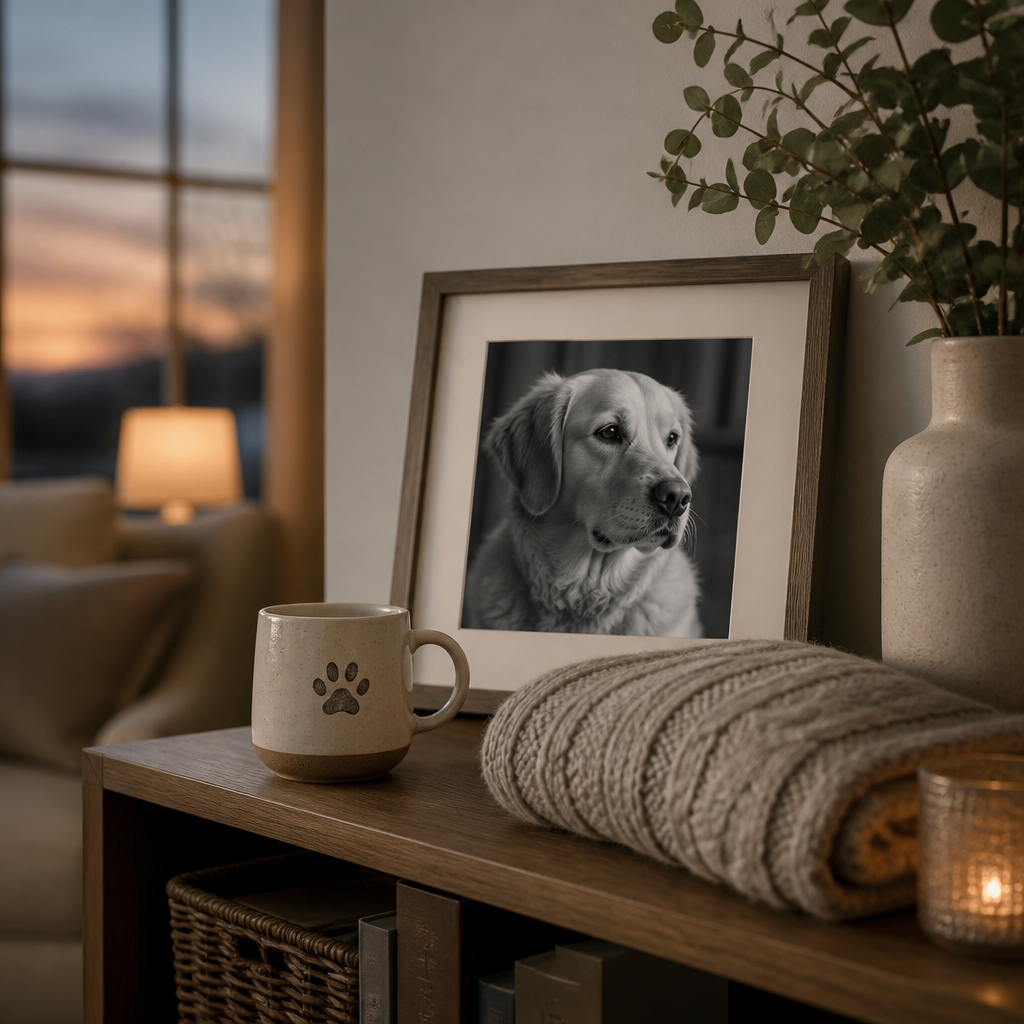
The Routines Your Brain Remembers
Your brain is very good at learning habits. Over the years, you learned when your companion needed breakfast, which spot on the couch they liked best, and what their paws sounded like on the hardwood floor. When those cues disappear, your mind keeps looking for them, which is why you may feel a sudden pang at the same time every evening.
A common mistake is waiting for those sharp moments to fade before doing anything about them. Grief rarely works that way. In practice, it helps to plan for the moments you already know are coming, so they feel less like an ambush.
Why the Silence Feels So Loud
Quiet rooms can make grief feel louder. Without the click of nails on the floor or a sigh from the next room, there's space for thoughts you've been holding back. You might find yourself replaying the final days, wondering if you did enough, or feeling guilty about small things you wish you'd done differently.
These thoughts are a normal part of mourning, even when they feel harsh. Naming them gently, rather than arguing with them, gives your mind permission to move through them. That's one reason many people find it helpful to look at a photo on purpose instead of avoiding it.
Pro tip: Pick the time of day that usually feels hardest, such as the morning walk or bedtime, and give yourself a small plan for it. You might light a candle, look at a favorite photo, or sip from a mug that reminds you of home. A predictable ritual can soften the surprise.
How Tangible Objects Anchor Memory
When emotions rise and feel like a flood, it helps to have something solid nearby. A memorial resource on tangible memories describes these physical items as emotional anchors that ground people amid overwhelming feelings. That image fits the experience of many grieving pet owners, who often find that a real object feels steadier than a memory alone.
Grief is constantly moving, and your memories can feel slippery, especially in the first months. A keepsake holds part of the story for you. You don't have to recall every detail on your own, because the object carries a piece of it whenever you need to reach for it.
Giving Grief a Place to Land
Think about how you might handle a strong feeling without anything to focus on. Your thoughts can spin in circles, and you may end up more exhausted than when you started. A physical keepsake offers a clear point of focus, so your attention has a place to rest for a few minutes.
In practice, this might look like keeping a small engraved item on your nightstand, or placing a blanket with your pet's name over the arm of your favorite chair. You don't need to use it every day. Simply knowing it's there can make a hard evening feel a little more manageable.
Why Touch and Sight Matter
Sensory details tend to bring memories back more vividly than words alone. The feel of a soft blanket, the weight of a ceramic mug, or the sight of a familiar paw print can bring back the warmth of a moment you thought you'd lost. That's not about forcing yourself to remember. It's about letting your senses invite the memory in gently.
Pro tip: Choose a keepsake you can actually touch or see every day, such as a mug for your morning coffee or a pillow on your couch. Keepsakes that become part of your routine tend to offer more comfort than items that stay tucked away in a box.
Keeping the Bond Alive
Many people worry that feeling close to their pet means they're stuck in grief. The good news is that staying connected to a beloved companion is a healthy and common part of healing. Love doesn't have to end just because the daily routine has changed.
A tribute can be a meaningful step toward healing. It can also celebrate a life that brought so much love while still holding on to the moments that matter most. You're allowed to keep your pet close in the way that feels honest to you.
Continuing the Bond Is Not Staying Stuck
Healing doesn't mean forgetting. It means finding a new way to carry your pet with you, one that fits the life you're living now. Some people speak to their pet at the end of the day, while others write letters or keep a journal of small memories that come up over time.
The key is noticing whether these habits bring you comfort or keep you locked in pain. If a ritual helps you feel lighter, it's doing its job. If it leaves you stuck for hours, it may be time to adjust or ask for support.
Simple Rituals That Keep Love Active
Rituals don't need to be elaborate. You might set aside one evening a month to look through photos, keep a favorite toy in a special place, or mark the day your pet came home with a quiet moment and a cup of tea. These small acts give your love a steady outlet.
A common mistake is trying to create the perfect ceremony right away. Grief is rarely ready for that much planning. Start with something small and see how it feels. You can always build on it later.
The Power of Personal Details
Not every memorial item feels personal, and that can be disappointing when you're looking for comfort. The details are what turn a general object into something that reflects your pet's personality. A name, a birth year, a short phrase, or a paw print can make the difference between a keepsake that sits on a shelf and one you actually reach for.
Memorial resources often point to options like keepsake jewelry that reflects a pet's personality, or clay and ink paw prints that preserve a small but real piece of your companion. These touches tell a specific story rather than a generic one. That specificity is often what makes the comfort feel real.
Choosing Details That Carry the Story
Start with the things that made your pet unmistakably themselves. Maybe it was a nickname that only your family used, the spot where they always napped, or a favorite toy with a worn-out corner. Those small truths are often the most powerful details to include.
When you're deciding on wording, keep it simple. A single line, a name, and the years you shared can say a lot. Long text can feel overwhelming to read during grief, while a short phrase invites you to pause and remember.
Making a Keepsake Feel Like Your Pet
A keepsake feels most like your pet when it connects to something you already know by heart. Use a photo taken on a good day, or a pattern that matches the cozy spot they claimed as their own. You're not trying to recreate your pet exactly. You're creating a reminder that feels true to your relationship.
Pro tip: Before you order anything personalized, write down three words that describe your pet and one memory you want to hold onto. Use those notes as your guide. You'll often find the right details come together faster than you expect.
Making Room for Good Memories
Grief can make it feel like sadness is the only honest emotion left. That's understandable, but it can also leave you drained. Finding space for happy memories doesn't erase your loss, and it doesn't mean you're moving on too quickly.
A university counseling resource on grief notes that shifting focus from negative emotions to positive ones can provide a psychological break or respite, and can help mourners replenish their resources. For a grieving pet owner, that might mean remembering the goofy walk, the way your cat chirped at birds, or the warmth of a familiar lap.
Balancing Sadness With Joy
You don't have to choose between sadness and joy. Both can sit side by side. You might cry while looking at a photo, then laugh a few minutes later at the memory that caused the tears.
In practice, you can make this balance easier by putting a few happy photos or short notes in places you pass often. When your mind is tired of heavy thoughts, these reminders offer a gentler way back to the good parts of your pet's life.
Replenishing Your Energy
Grief takes a lot of energy, and it's normal to feel tired. Positive memories can give you a moment of rest rather than another heavy thought to carry. Even a few minutes of remembering something joyful can help you feel more ready for the rest of your day.
Think of it as recharging rather than forgetting. A keepsake can be a quiet starting point, especially on days when you don't have the energy for much else.
Comparing Keepsake Types
Choosing a keepsake can feel like a big decision, especially when you're already tired from grief. Different styles serve different needs. Some people want something they can wear close to the heart, while others want an item that fits into the rooms where they spend most of their time.
It helps to think about where you'll see the keepsake, how often you'll want to touch it, and who else in your home might share it. A keepsake that fits your daily life will usually offer more comfort than one that feels out of place.
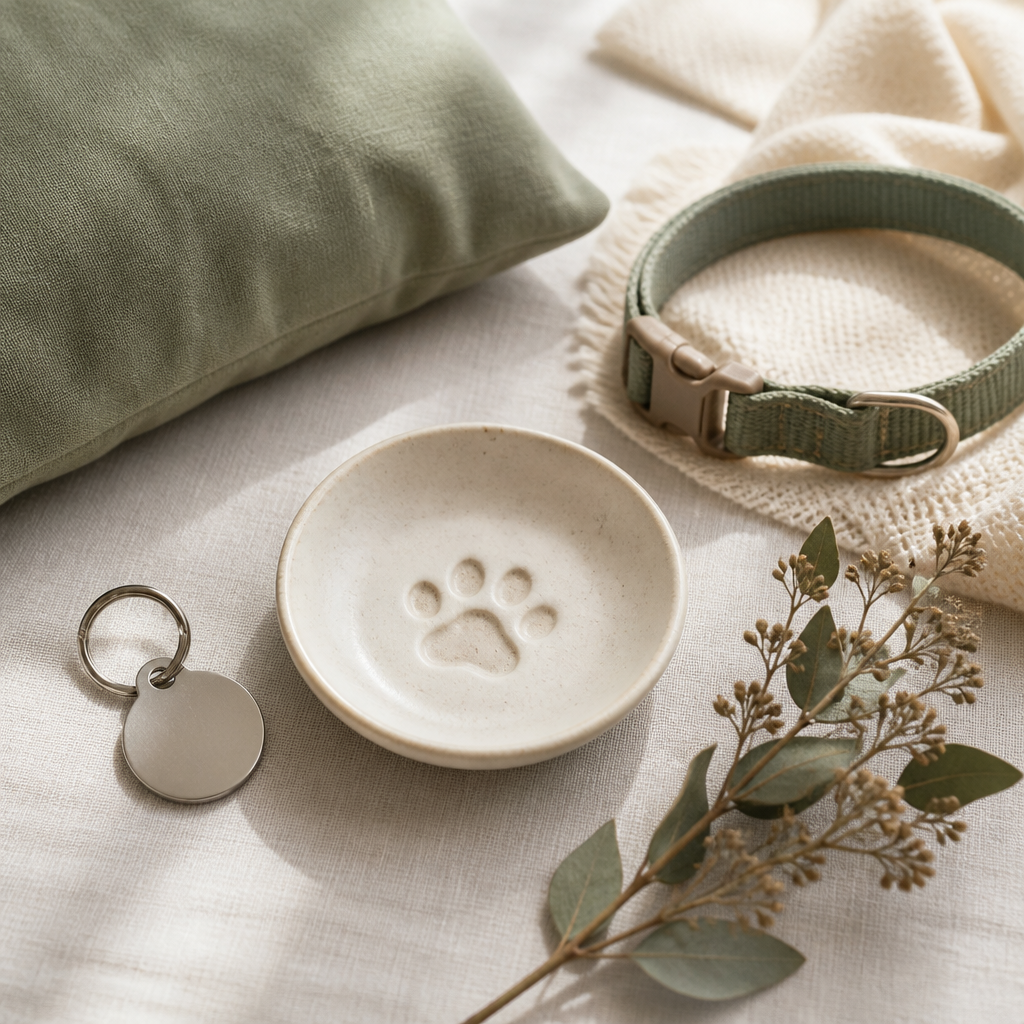
Matching a Keepsake to Your Daily Life
If you're often on the go, a small wearable piece may bring you comfort during the day. If you spend long evenings at home, a blanket or pillow can become a gentle companion. Ceramic mugs and car ornaments can also bring small reminders into everyday routines you already keep.
There's no single right choice here. The best keepsake is the one you'll actually notice and feel good about seeing. Trust your instincts about what feels right for you.
A Side-by-Side Look at Common Options
The table below compares three common keepsake types and what each one tends to offer. Use it as a starting point, not a rule.
| Keepsake Type | Best For | Things to Consider |
|---|---|---|
| Engraved memorial rings | Keeping your pet close throughout the day in a discreet, personal way | Choose wording that's short and easy to read, and check sizing before you order |
| Custom blankets and pillows | Creating a soft, comforting presence in a favorite room or chair | Think about washing care and where the item will live so it stays safe and special |
| Ceramic mugs and car ornaments | Adding everyday reminders to routines like morning coffee or driving | Make sure the design is one you'll enjoy seeing often, not just on the first hard day |
When Grief Needs More Support
Sometimes a keepsake is a gentle comfort, and sometimes grief needs more than a memento can offer. There's no shame in asking for extra help. Reaching out is one of the most caring things you can do for yourself, especially when your days feel heavy for a long stretch.
Some veterinary clinics and animal shelters share pet loss support resources, and many communities have grief groups open to pet owners. A short conversation with someone who understands can make the weight feel a little lighter.
Signs Your Grief Needs Extra Care
Pay attention if you find it hard to get through basic daily tasks for several weeks, if you're pulling away from people you love, or if your sleep and appetite change in ways that worry you. These signs don't mean something is wrong with you. They mean your heart is asking for more support.
Trust what you notice. If the heaviness feels bigger than you can carry alone, that's a good reason to reach out.
Gentle Next Steps
You don't have to do everything at once. Start by telling one trusted friend or family member how you're really doing. From there, you might look into a grief support group or talk with a counselor who has experience with pet loss.
Pro tip: Keep a short list of people you can call on hard days, along with one simple activity that helps you feel grounded. When grief hits suddenly, having that list ready takes away one decision you'd otherwise have to make in a hard moment.
Frequently Asked Questions
Why does a keepsake help with grief at all?
A keepsake gives your feelings a physical focus. When emotions feel too big, that focus can steady you and make it easier to think through what you're experiencing. It also keeps your pet's memory present in a way you can see and touch.
How soon after losing a pet should I choose a memorial item?
There's no set timeline. Some people want something right away, while others prefer to wait until the first wave of grief has eased. You can explore options now and decide later, so there's no rush at all.
What details work best for a personalized keepsake?
Simple details often mean the most. A name, a favorite nickname, a meaningful date, or a short phrase that captures your pet's personality can all work well. Choose what feels true to your relationship, not what you think others expect.
Can a keepsake replace the need for other support?
A keepsake can be a comforting part of your healing, but it isn't a replacement for talking with people who care about you. Many grieving pet owners find that a keepsake and a support network work well together.
What if I feel guilty about feeling better?
Feeling a little lighter doesn't mean you loved your pet any less. Good moments and grief can coexist. Giving yourself permission to enjoy a memory is a healthy part of carrying your pet's legacy forward.
We'd love to hear from you: what keepsake or ritual has helped you feel close to your pet, and what would you add to this list?