

Pet Death Gifts That Honor Your Companion: A Gentle Guide
Few things stop you cold like searching for a gift after your pet has died. You want something that says what your companion meant to you, yet every shop seems to offer the same generic items. If you're staring at a screen right now and feeling unsure where to begin, you're in the right place. Pet death gifts can bring real comfort, whether you're choosing one for yourself, for a friend who lost a dog or cat, or for a family member who is hurting. In this guide, we'll walk through how to pick a keepsake that fits your pet's story, what to look for in materials and personalization, and how to make the choice without rushing. No rush at all.
Table of Contents
- Quick Takeaways
- Why Choosing a Keepsake Feels So Heavy
- Honoring the Bond You Actually Shared
- Types of Pet Death Gifts Worth Considering
- Comparing Keepsake Styles Side by Side
- Personalizing a Gift Without Overthinking It
- When and How to Give a Pet Death Gift to Someone Else
- Caring for Your Keepsake Over Time
- Frequently Asked Questions
- References
Quick Takeaways
| Key Insight | Explanation |
|---|---|
| Start with your pet's story | Think about routines, favorite spots, and quirks. A keepsake that echoes one of those details usually feels truer than a generic design. |
| Decide how you want to remember | Some people want something to hold, while others want something they can see each day. Settling this first narrows your choices quickly. |
| Check engraving and materials before ordering | Ask how names, dates, and words will appear, and confirm the materials suit daily use or outdoor weather if that matters to you. |
| Give yourself time | You don't need to decide in the first week. Many people find the right keepsake months after the loss, and that timing is just as meaningful. |
| Think about who else is grieving | A gift for a friend or family member works best with a short, sincere note about the pet's life and the bond you saw. |
| Plan for care after it arrives | Keep fabrics out of harsh sun and clean engraved pieces gently so the words stay readable for years. |
Why Choosing a Keepsake Feels So Heavy
Choosing a memorial gift can feel strangely heavy, even when you know exactly how much your pet meant to you. Every option seems to carry a question about whether it's good enough. That feeling is normal, and it usually comes from love, not from a failure to pick well.
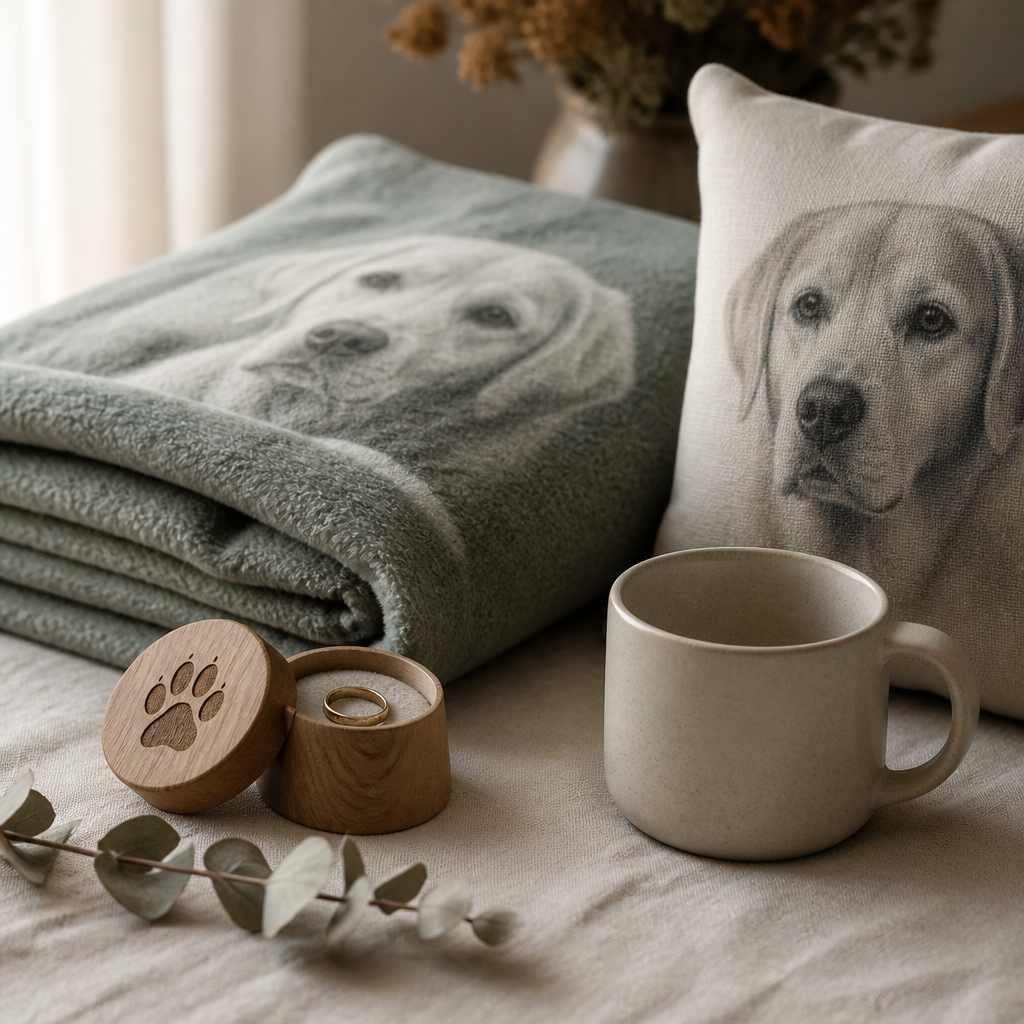
A keepsake is not a purchase you have to get perfect in one sitting. It's a small, physical way to keep your companion close, and it works best when it reflects the real relationship you had. Many people tell us the decision feels like the last thing they can do for their pet, which is why it weighs so much.
Why the Decision Feels Bigger Than a Purchase
Ordinary shopping is about comparing prices and features. A memorial gift asks you to think about memories, and those don't line up neatly on a product page. So it's common to open a dozen tabs, close them, and come back the next day.
In practice, the people who feel calmest about their choice usually narrow the field early. They decide what kind of memory they want to hold onto, such as the sound of a wagging tail or the weight of a cat curled up at the foot of the bed. That single anchor makes the rest of the choices feel more manageable.
Giving Yourself Permission to Take Your Time
Grief doesn't follow a schedule, and neither should your gift. Some people order something within days because they need a place to put their feelings. Others wait for months, and that's just as valid.
Pro tip: Write down three moments you remember most about your pet before you open any shopping page. Those notes will guide you faster than scrolling through hundreds of options.
Honoring the Bond You Actually Shared
Your bond with your pet was built on small, repeated moments. The morning walk, the way they waited by the door, the particular spot on the couch that was always theirs. A good keepsake draws on those details, because they're often what you miss most.
Before you pick a product, try to name the everyday rituals that defined your days together. Did your dog greet every guest with a toy? Did your cat sleep in the laundry basket? Those specifics often point you toward the right style, color, or engraving.
Recalling the Small Daily Routines
Routines make wonderful inspiration because they're personal and easy to recognize. A memorial mug you use every morning can echo a coffee ritual you shared with a dog who sat at your feet. A blanket can recall a nap spot that became your pet's favorite place in the house.
When you write these details down, you may notice patterns. Maybe your companion always chose warm places, or greeted you at the same time each evening. Those patterns can shape a keepsake more meaningfully than any stock design.
Matching the Keepsake to Your Pet's Personality
A shy rescue cat and a loud, joyful retriever deserve different tributes, even if both were equally loved. A calm, soft textile may suit a gentle companion, while a bright, playful design may feel right for a dog who never stopped moving. Think about how your pet felt in a room, not only how they looked.
Some owners find it helpful to ask a family member or friend what they remember most about the pet. Outside perspectives often surface memories you may have overlooked while you were grieving. Keep those notes handy as you browse.
A keepsake doesn't have to be chosen in the first week to matter. Its meaning comes from the love behind it, and that love doesn't expire.
Types of Pet Death Gifts Worth Considering
Pet death gifts come in many forms, and each one offers a different kind of comfort. Some are meant to be held or worn, others are made for daily use, and a few are designed to sit outdoors where they can be seen. Knowing the main categories helps you focus on what fits your life and your grief.
At The Soul Keep, we see most people gravitate toward three broad groups: wearable pieces, soft textiles, and everyday objects. None of them is better in every case. The right choice depends on how you like to remember and how much physical contact you want with the keepsake.
Wearable Keepsakes Like Engraved Rings
Engraved rings are a popular choice for people who want to keep their pet close throughout the day. A ring can carry a name, a date, or a short phrase that feels private. Because it's worn, it can offer quiet reassurance during moments when you miss your companion most.
When you consider jewelry, pay attention to sizing and finish. Ask how the engraving will look over time, and whether the metal suits your skin and daily activities. A ring you rarely wear may end up in a drawer, so comfort matters as much as beauty.
Blankets, Pillows, and Soft Textiles
Custom blankets and pillows are often the first thing people reach for when they want to feel wrapped in their pet's memory. Woven blankets can carry a design or photo while still feeling cozy enough for the couch. Many families keep one in the room where their companion used to rest.
Soft textiles work especially well for children and for households where the pet's bed is still in the corner. They give everyone a place to sit with the memory. Choose fabrics you can wash gently, and keep the care instructions somewhere you'll find them later.
Everyday Objects Like Mugs and Car Ornaments
Ceramic mugs and car ornaments bring your pet into ordinary routines. You'll see the mug each morning, and the ornament will sway with you on the drive to work. These pieces can soften the shock of returning to normal life without the house feeling empty.
Pro tip: If you're torn between a few styles, imagine using each one on an ordinary Tuesday. The keepsake that feels comforting in that simple moment is often the right one.
Comparing Keepsake Styles Side by Side
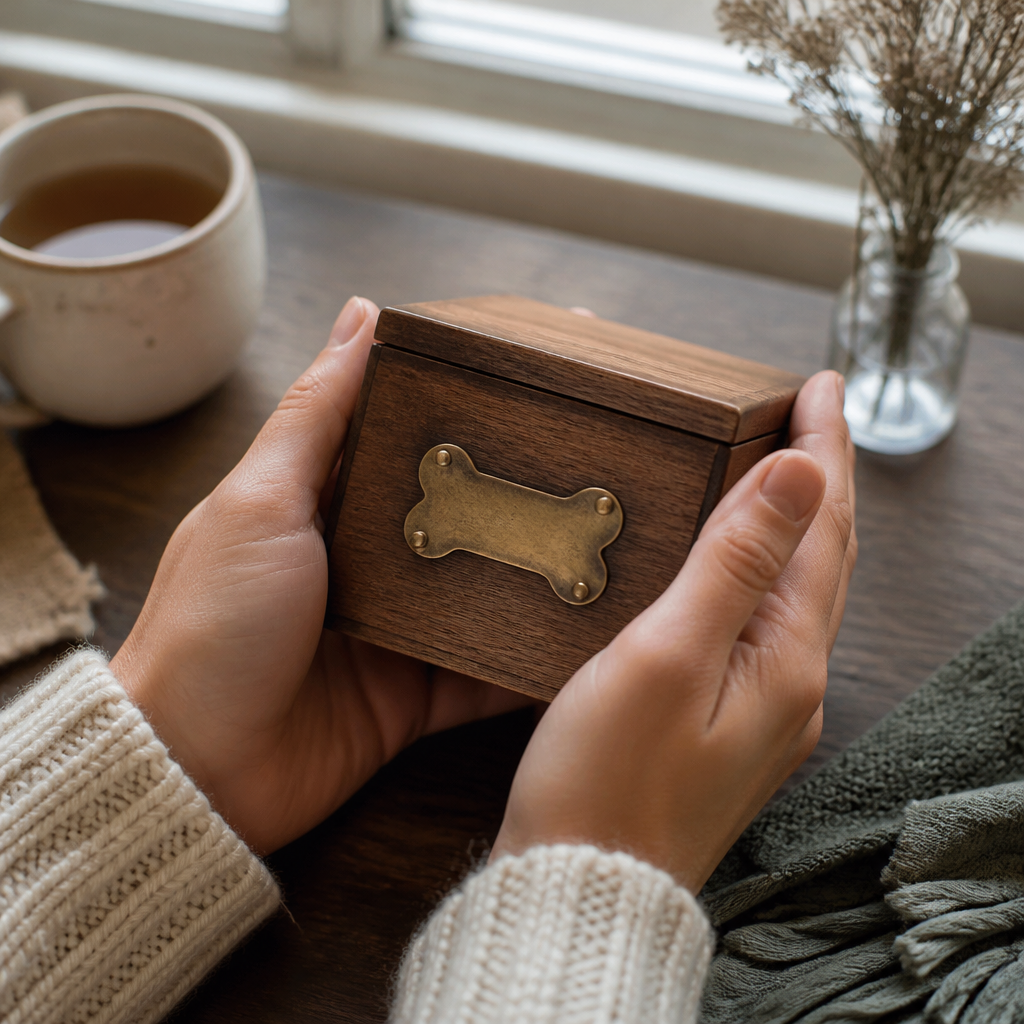
Once you have a shortlist, a side-by-side look can make the decision feel clearer. Each style asks something slightly different of you, from how often you'll handle it to how much space you have at home. The table below compares three common approaches so you can see the trade-offs at a glance.
How to Read the Comparison
Think of the table as a starting point rather than a verdict. Ask yourself who will use the keepsake, where it will live, and whether you want something you can hold or something you can simply see. Those answers usually point to one or two options.
| Keepsake Style | Best For | Things to Watch For |
|---|---|---|
| Engraved rings and wearable jewelry | Daily closeness and people who want something personal they can carry | Confirm sizing, engraving depth, and metal comfort before ordering |
| Custom blankets and pillows | Cozy comfort, shared family spaces, and memories tied to favorite rest spots | Check washing instructions and how the photo or design will look on fabric |
| Ceramic mugs and car ornaments | Everyday reminders and people who want their pet woven into routines | Review handling and cleaning guidance, and make sure ornament hardware is secure |
Notice that none of these options is a one-size answer. A ring may be perfect for one person and too personal for another, while a blanket may comfort a family but feel heavy to a friend who lives alone. Let your own habits guide the decision.
Some keepsakes also bridge categories. One product review roundup describes a hand-engraved terra-cotta pot that can be filled with seeds or potting mix. That kind of piece turns memory into something living, which can feel especially meaningful for a gardener or a family that likes to plant something each spring.
Personalizing a Gift Without Overthinking It
Personalization is what turns a nice object into a true memorial. The challenge is that too many details can crowd a design, while too few can feel anonymous. A few thoughtful choices usually land better than a long list of everything your pet ever did.
Choosing the Right Name, Date, or Words
Many people start with their pet's name and the years they shared. That's a clean, timeless choice. If you want something more personal, a short phrase like a nickname, a favorite sound, or a line you said every night can add warmth without clutter.
Before you finalize any engraving, read it aloud. Notice whether it sounds like your pet or like a greeting card. Also check spelling and spacing, because small errors are hard to fix once the piece is made.
Pro tip: When a proof or preview is offered, look at it carefully. Seeing the layout before production helps you catch spacing and length problems early.
Using Photos Thoughtfully
Photos can make a memorial feel vivid, but the right photo matters. Choose one that is clear, well lit, and shows your pet being themselves. A blurry picture of a sleepy face may hold a sweet memory, but it may not look good as a printed design.
Online marketplaces list many personalized photo items for pet loss, so it's easy to feel overwhelmed. What helps most is remembering that one good photo, paired with a simple phrase, often says more than a crowded collage. Keep the design calm enough that you can look at it on a hard day.
When and How to Give a Pet Death Gift to Someone Else
Sometimes the gift isn't for you. A friend, a sibling, or a child may be grieving the loss of a dog or cat, and you want to show up for them. Choosing a keepsake for someone else takes a little extra care, because you're stepping into a story you didn't live every day.
The good news is that you don't need to know everything about the pet. What matters is your willingness to listen and to honor the bond that person shared. A thoughtful gift paired with a sincere note often means more than a flashy item.
Sending a Gift to a Grieving Friend
Start by asking gently about the pet. Simple questions, like what they were like around the house, invite stories and help you choose something that fits. If the person isn't ready to talk, a short note saying you're thinking of them and their companion can be enough.
Timing is worth considering, too. Some people appreciate a gift in the first few days, when the house feels quiet. Others find comfort later, when the sympathy cards have stopped and the silence is harder to bear.
Outdoor Memorials and Shared Spaces
Some families prefer memorials they can see from the yard or porch. Outdoor options such as engraved memorial markers and wind chimes give a place to pause and remember. One pet memorial resource lists these pieces alongside tokens and custom remembrance gifts, which shows how wide the range can be.
Shared spaces need a little more thought. A keepsake placed in the living room will be seen by everyone, so choose a style that feels right for guests as well as for the family. In many homes, a small, quiet piece works better than something loud.
Caring for Your Keepsake Over Time
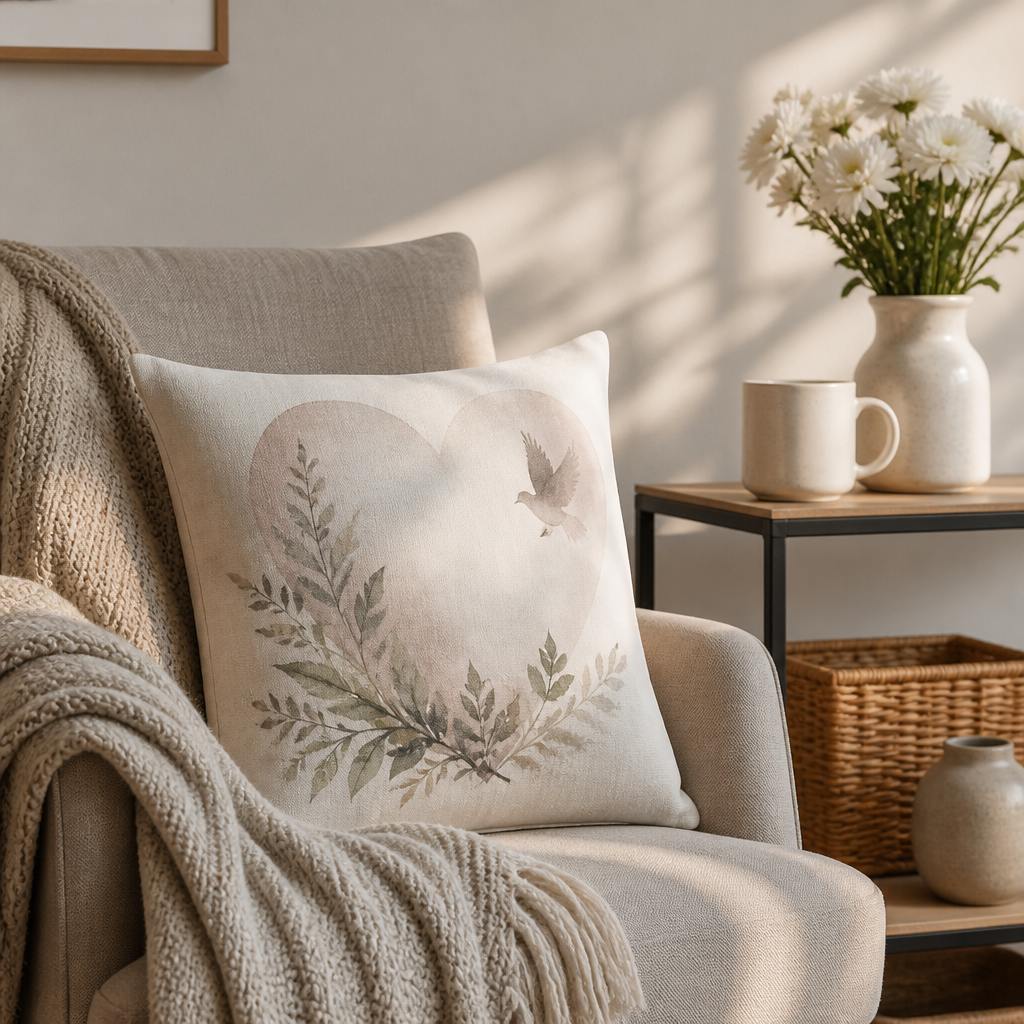
A memorial gift is meant to last, and the way you care for it can keep it looking the way it did the day it arrived. Small habits, like choosing the right spot in your home and handling engraved pieces gently, make a real difference over the years. You don't need special tools to get started.
Displaying It Somewhere You Will See
Placement matters more than people expect. A keepsake tucked in a closet may be safe, but it may also be forgotten. A spot on a bookshelf, a nightstand, or a hook by the door keeps your pet part of daily life without demanding attention.
Think about light, too. Direct sun can fade fabrics and some printed designs over time. A spot with gentle, indirect light is usually kinder to the piece and easier on your eyes.
Protecting Engravings and Fabrics
Engraved metal and ceramic items should be kept away from harsh cleaners and abrasive scrubbing. A soft cloth and a little mild soap are usually enough. Fabrics work best when you follow the washing instructions that came with them, which often means cold water and air drying.
Keep the original packaging or care card somewhere safe. It's easy to forget how to clean a blanket or ring until you need to, and having the instructions handy saves guesswork. If something looks worn, reach out to the maker and ask what they recommend.
Pro tip: Take a clear photo of the keepsake on the day it arrives. If it's ever damaged or misplaced, that picture will still hold the memory you chose it for.
Frequently Asked Questions
What are the most meaningful pet death gifts?
The most meaningful gifts usually connect to a real detail of your pet's life, like a favorite spot, a daily routine, or a name they answered to. Wearable pieces, custom blankets, and everyday items like mugs can all work well when they reflect that story.
How soon after my pet dies should I order a memorial gift?
There's no set timing. Some people want something right away, while others need weeks or months. Take the time you need, and remember that a keepsake ordered later holds the same love.
Are personalized pet memorial gifts worth it compared with generic ones?
In most cases, yes. Personalization ties the keepsake to your pet's name, look, or personality, which makes it feel like a true tribute rather than a general sympathy item. Even a simple personal touch is often enough.
What should I write when I give a pet death gift to someone else?
Keep it short and sincere. Mention something you remember about their pet, say you're thinking of them, and let them know they don't need to reply. A handwritten note often means more than a long message.
How do I make sure an engraved keepsake looks right?
Read the wording aloud, double-check spelling and dates, and ask about proofs or previews when they're offered. Clear, simple text tends to age well and read more easily than long or crowded designs.
We'd love to hear from you. What helped you choose a keepsake for your companion, or what do you wish you had known before you started looking?