

Best Pet Loss Sympathy Gifts That Truly Comfort the Heart
Losing a dog, a cat, or any companion who shared your daily life leaves a quiet kind of ache. The house feels a little too still, the usual routines catch you off guard, and well-meaning friends often don't know what to say. If you're looking for the best pet loss sympathy gift for someone you love, you're in the right place. A thoughtful keepsake can say what words sometimes can't, and it can stay close for years. Let's walk through gifts that truly comfort, what to look for, and a few mistakes worth skipping.
Table of Contents
- Quick Takeaways
- Why the Right Sympathy Gift Matters
- Keepsakes That Keep Their Presence Close
- Gifts for the Hardest Days
- Comparing Three Popular Keepsakes
- Words That Go With the Gift
- Gifts That Honor a Pet's Legacy
- Mistakes to Avoid When Choosing a Gift
- Frequently Asked Questions
- References
Quick Takeaways
| Key Insight | Explanation |
|---|---|
| Choose something that can be held or used every day | Physical items give grief a place to land, from a blanket on the couch to a mug on the morning counter. |
| Personalize with the pet's real name and details | A name, a birth date, or a favorite nickname makes the gift feel made for their companion, not for pet owners in general. |
| Match the gift to how the person actually lives | Someone with a morning tea ritual may love a mug, while someone who spends evenings alone may find a pillow more comforting. |
| Send a short, honest note with the gift | A few lines about the pet's personality often mean more than a long speech about loss. |
| Consider timing beyond the first week | Many grieving people feel the silence most a few weeks later, when the cards have stopped arriving. |
| Skip anything that hints at replacing the pet | Comments or products about getting a new pet soon can sting, so keep the focus on remembering. |
Why the Right Sympathy Gift Matters
When someone you know loses a pet, the first instinct is often to send flowers or a card. Both are kind, and both have their place. But a pet is rarely just an animal in the house. The person grieving may be carrying a daily routine that suddenly has a hole in it, and a gift that lives in their home can offer steady company in the weeks and months ahead.
Pet loss guidance often points out that people need room to remember out loud. The Best Friends guide on supporting a friend after a pet's death notes that grieving people may cry, get angry, feel guilty, or fall silent, and that all of these reactions are part of the process. A good sympathy gift works the same way. It gives them something to hold onto without asking them to feel any particular way about it.
In practice, the most comforting gifts share three traits. They are tangible, they are personal, and they are gentle about timing. A keepsake that carries the pet's name, face, or favorite nickname tells the owner that you remember their companion too. That matters far more than the price tag.
It also helps to think about what the gift will be used for. Some people want a piece they can display on a shelf. Others want something they can touch on a hard afternoon or wrap around their shoulders at night. Neither is wrong, but knowing which kind of comfort the person seems to need will point you toward the right choice.
Finally, remember that you don't need a perfect gift. A gift chosen with care, even a simple one, shows that you noticed the loss and that the pet mattered. Grieving people tend to remember who reached out, and that sense of being remembered is often the heart of the comfort.
Keepsakes That Keep Their Presence Close
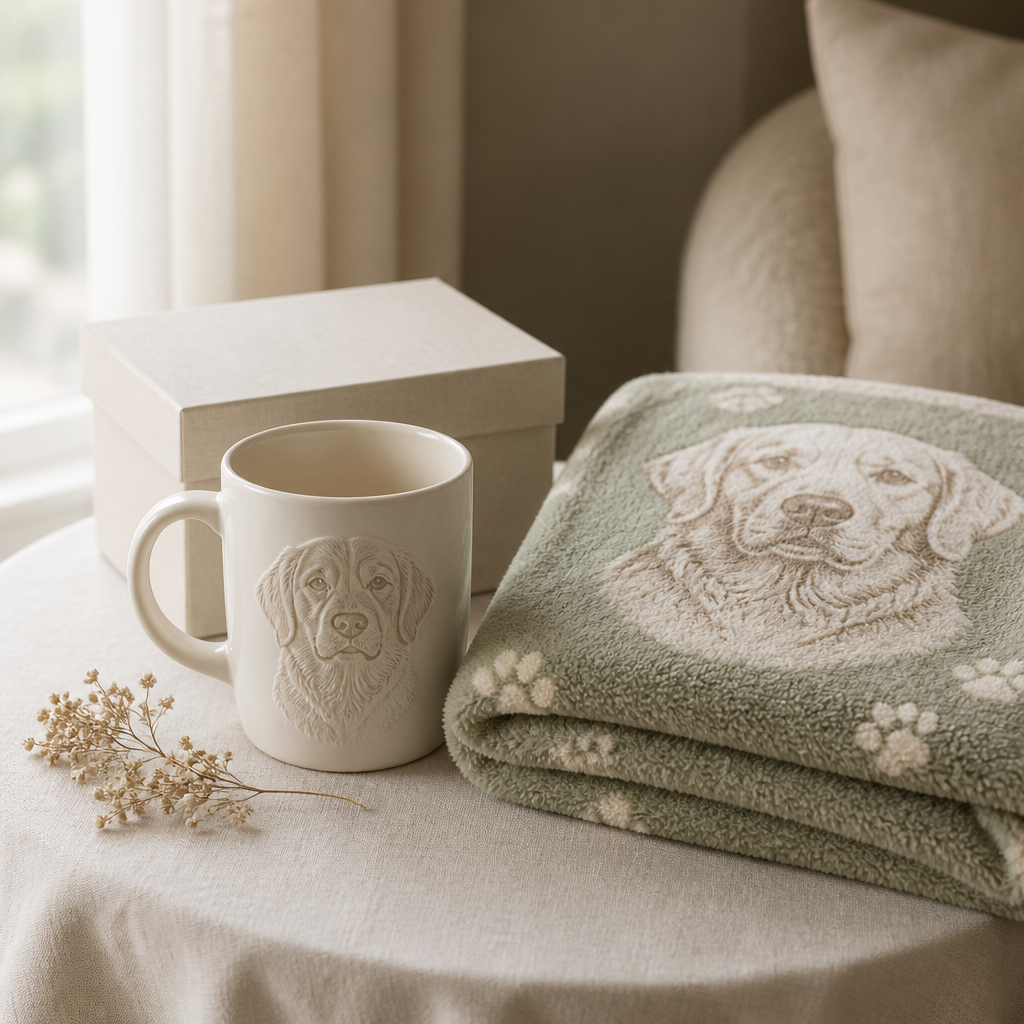
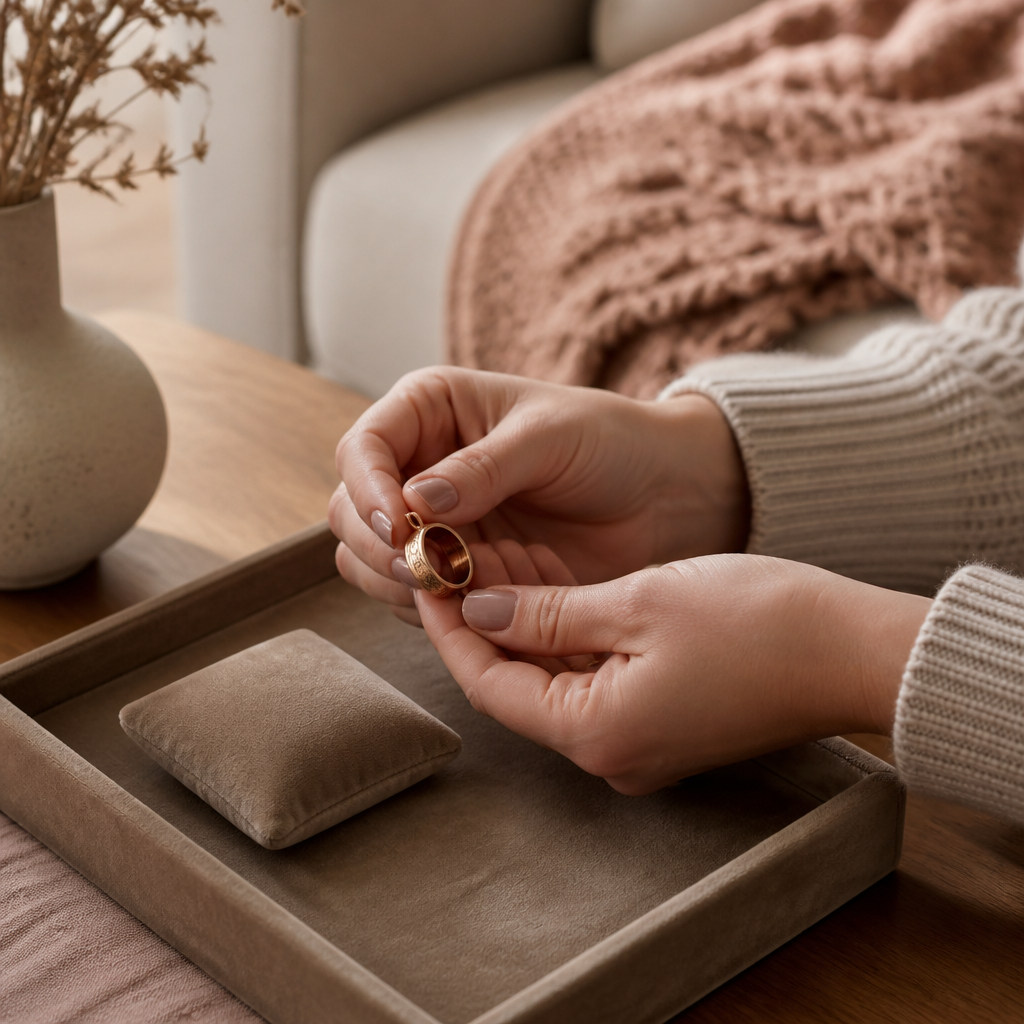
Some of the most meaningful memorials are the ones that slip into daily life. A woven blanket on the back of a reading chair, a ceramic mug used every morning, or a ring worn on the hand keeps the pet's memory within reach without making a big display of it. At The Soul Keep, our engraved rings, custom blankets, and ceramic mugs are built around exactly this idea of a keepsake that gets used.
Engraved Rings for Everyday Remembrance
An engraved ring is a quiet, private way to carry a pet's name close. Many owners tell us they like having something to touch when they miss their companion, especially during a long workday or a hard evening. When you're choosing an engraving, keep it short: a name, a single date, or a few words that sound like the pet. Long inscriptions crowd the design and are harder to read.
Before you order, confirm the ring size with the recipient if you can. A ring that doesn't fit comfortably tends to end up in a drawer, and the point is for it to stay close. If you're not sure, a discreet check-in with a family member is a kind and simple step.
Custom Blankets That Feel Like a Hug
A custom blanket works because it gets used, not just displayed. Woven designs that carry a pet's photo, name, or paw print can be wrapped around shoulders on cold nights or folded over the sofa where the pet used to nap. Many people find that the blanket becomes the spot they sit when they want to feel near their companion. If the blanket will live in a shared room, ask whether a soft, neutral palette will suit the space before you choose a bold design.
Blankets also make thoughtful gifts for families, since several people can share one. A child may want a blanket that stays on their bed, while an adult may prefer one on the living room couch. Either way, the warmth of a blanket is a physical comfort that words can't quite offer.
Ceramic Mugs and Everyday Pieces
A ceramic mug turns an everyday ritual into a small moment of remembrance. Morning coffee or evening tea can become the time when someone feels their pet's presence most gently. The mug works best with a simple design, such as a name and a favorite photo or illustration, so it reads as a keepsake rather than a novelty item.
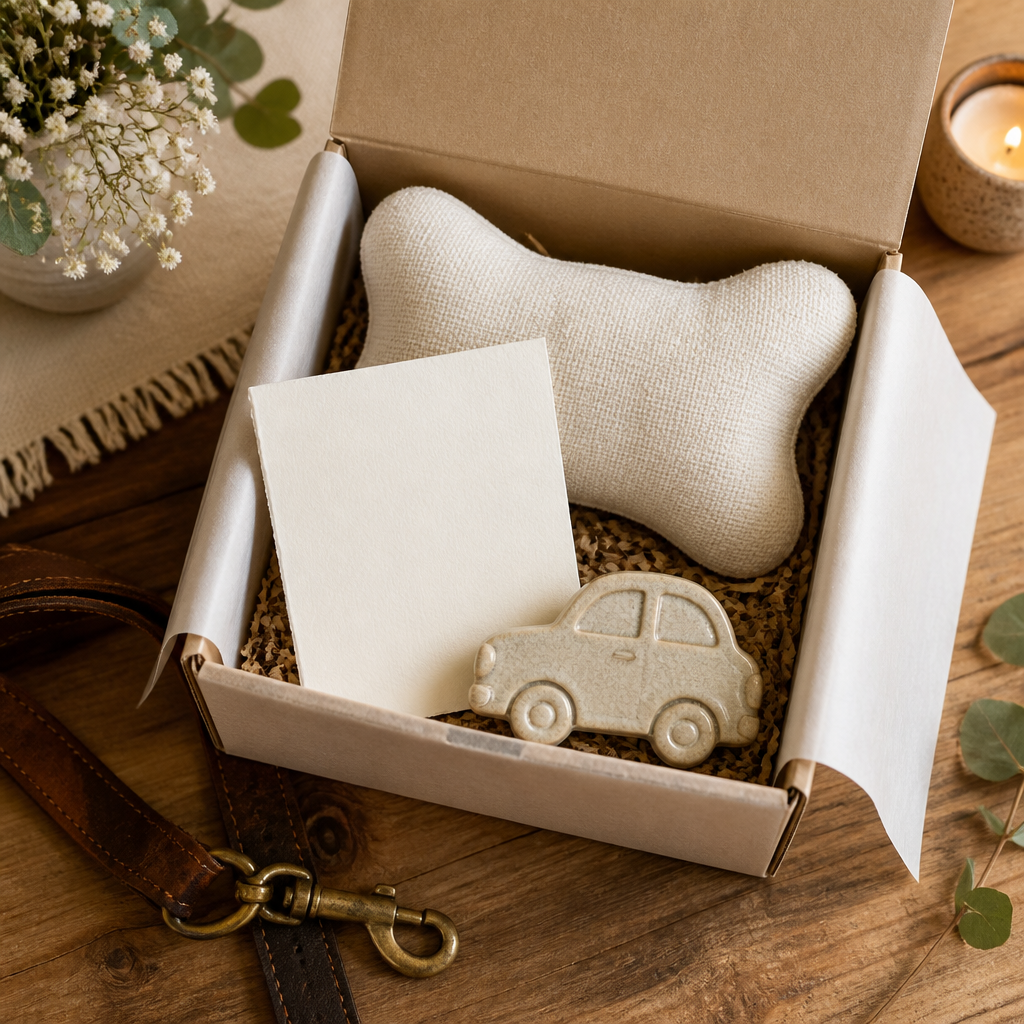
Pillows and car ornaments follow the same logic. Each one sits inside a place where the grieving person already spends time, which is why they tend to feel comforting rather than heavy. The best gift is the one that fits naturally into the next ordinary day.
Gifts for the Hardest Days
Grief often hits hardest at the edges of the day, when the house goes quiet at night or the morning feeding routine suddenly has no purpose. Gifts for those moments should feel soft and easy to live with, not demanding. You're aiming for something that offers a little relief rather than one more thing to manage.
Pillows for Long Evenings
A memorial pillow is a natural fit for someone whose pet used to sleep beside them. Many owners find that resting against a pillow with their companion's photo helps them unwind after a difficult day. If the pillow is for an adult who lives alone, consider a size that works well on the couch or in a reading chair, where evenings tend to be spent.
Pillows are also a gentle choice when the person is not ready to see the pet's image every day. They can be tucked away in a bedroom and taken out when needed, which lets the person decide how close they want the memory to feel at any given moment.
Car Ornaments for the Daily Drive
For someone who commutes, runs errands, or does the school run, a car ornament offers a small, steady reminder. It's a gift that rides along into ordinary life, which is often where grief shows up without warning. Choose a sturdy design that can handle sun and temperature changes, and check that it fits the mirror or hook the person actually uses.
Pro tip: Ask the family for a photo of the pet in a relaxed, everyday moment rather than a posed portrait. Candid images often make a keepsake feel like the pet itself, and they're the ones the owner will be most grateful to see every day.
Some people also welcome a gift that supports them as well as the memory, such as a soft throw or a good mug for tea. Small comforts like these can outlast the first wave of sympathy cards, and they show that you're thinking about how the person is holding up.
Comparing Three Popular Keepsakes
Choosing between options can feel overwhelming when you're already tired. Here's how three of the most requested keepsakes compare for different kinds of grieving people, so you can narrow things down with a clear head.
| Keepsake | Best For | Things to Consider |
|---|---|---|
| Engraved ring | Someone who wants a private reminder they can carry with them | Keep the engraving short and confirm the size before ordering |
| Custom woven blanket | Someone who spends evenings at home or shares a space with family | Pick colors and designs that suit the room where it will live |
| Ceramic mug | Someone with a daily ritual like morning coffee or evening tea | Choose a simple design so it feels like a keepsake, not a novelty |
Treat this table as a starting point rather than a rulebook. A person who loved their dog's routine may love a mug, while someone who spent hours on the couch with their cat may find a blanket far more comforting. The question to ask is where the grieving person's days naturally slow down.
Matching the Gift to the Relationship
A gift for a close partner might lean more personal, with a name, a shared memory, or a photo from a favorite walk. A gift for a parent or grandparent might be something they can display proudly, such as a framed design or a keepsake that sits on a shelf. A gift for a child needs gentle handling, and it often works best to check with a parent first.
When you're unsure which direction to take, a simple test helps. Picture the person three weeks from now, on an ordinary Tuesday evening. Which of these gifts would they reach for without thinking about it? The answer is usually the one to send.
Words That Go With the Gift
A gift can carry the feeling, but a few honest words help the person know you're standing with them. You don't need a poem or a perfect sentence. You need something real, brief, and kind.
Writing a Note That Feels Genuine
Keep your note short and specific. Mention the pet by name, and share one thing you remember, like the way they greeted the door or the spot they always claimed on the couch. Those details tell the owner that their companion left a mark on others too.
Try to avoid phrases that explain the loss away, such as "they're in a better place," unless you know the family shares that belief. Simple lines like "I'm so sorry, and I'm thinking of you both" often land more gently than an attempt to make sense of it.
Saying the Right Thing Without Overthinking It
The Best Friends guide on supporting a grieving friend suggests that a simple expression of love, paired with an offer of whatever support you can give, is one of the most helpful things to say. Presence matters more than polished language. Being willing to listen when the person wants to talk is often the greatest gift of all.
Headspace's advice on supporting a friend after a pet loss also points to practical help, such as running an errand or simply coming over to make a cup of tea. When you pair a keepsake with an offer like that, the gift feels less like a delivery and more like company.
Pro tip: Ask the family whether they'd like to hear stories about their pet, or whether they'd rather not talk about it just yet. Many people are grateful for the question, and it helps you match your words to what they can handle.
Gifts That Honor a Pet's Legacy
Some grieving people want to do something larger than place a keepsake on a shelf. They want the pet's life to ripple outward, and a thoughtful gift can open that door. These options work especially well for families who think of their companion as a lasting part of their story.
Donations Made in a Pet's Name
A donation to a rescue or shelter in the pet's name can be deeply meaningful, especially for someone who volunteered over the years or whose pet came from a shelter. Ask the family which organization they'd like, since some have a strong personal connection to a particular place. Include a card that names the pet and explains the donation, so the owner knows it was made in their companion's honor.
Artwork and Memory Projects
Artwork is another way to hold a legacy. A portrait, a hand-drawn sketch, or a small memory book filled with photos and notes from friends can give the family something to return to again and again. Helpguide's guidance on grieving a pet notes that writing about feelings and talking about them with others can help, and a shared memory project can invite those conversations gently.
For children, Helpguide suggests giving them an opportunity to create a memento of the pet. A drawing, a painted stone, or a small box they decorate themselves often becomes a treasure they keep for life. Something a child builds with their own hands carries a kind of comfort that a store-bought item can't match.
Mistakes to Avoid When Choosing a Gift
Most sympathy gifts miss the mark for the same few reasons. Good intentions can still land badly when they don't match what the grieving person needs. Here's what to watch for, so your thoughtful gesture feels like comfort instead of pressure.
Avoid Hinting at a New Pet Too Soon
Gifts that suggest getting another pet, like a new pet bowl or a "fresh start" card, can feel like pressure. Some people do welcome a companion again later, but that decision belongs to them and happens on their timeline. For now, the gift should honor the one who died, not point toward the next one.
Choose Keepsakes That Need No Upkeep
A gift with complicated care steps, or one that asks the person to do something right away, can become one more task on a list that already feels impossible. Choose items that are ready to use, easy to display, and simple to enjoy without any setup.
Double-Check Every Detail Before You Order
Check the pet's name, its spelling, and any dates before you order anything personalized. A mistaken engraving is hard to fix and painful to receive, especially when the person is already tender. If you're unsure about a nickname or a birthday, a quick message to a family member will get you the right answer.
Pro tip: If you're unsure about a detail, ask gently and early. A question like "Did they have a nickname we should include?" shows care, and the answer will make your gift feel far more personal.
Timing Can Matter as Much as the Gift
The first few days after a loss bring a flood of messages, flowers, and visits. The weeks that follow often feel much quieter, and that is frequently when a keepsake arrives as a welcome reminder that someone still remembers. If you're close to the family, a short message on the day of the loss can come first, with the gift following a week or two later.
Frequently Asked Questions
How soon after a pet dies should I send a sympathy gift?
There's no fixed rule, but many people find that a gift arriving a week or two after the loss feels especially welcome. By then, the immediate flurry of messages has eased. If you're close to the family, a gentle note on the day can come first, with the gift following later.
What is the best pet loss sympathy gift for a child?
A keepsake the child can help shape often works best, such as a blanket with the pet's name or a small memory box they decorate. Check with a parent first, and keep any wording simple and warm.
Should I include a card with the gift?
Yes, a short and honest card is usually worth including. Mention the pet by name and share one specific memory. Skip advice about how the person should feel, since they are the one who knows what they need.
Are personalized gifts better than general sympathy items?
In most cases, yes. A name, a photo, or a favorite detail tells the owner that you remember their companion, and that recognition is often the most comforting part of the gift.
What if I didn't know the pet very well?
That's completely fine. Focus on the owner and the bond they shared. A simple note saying you're sorry and thinking of them and their companion is enough. You don't need a long history with the pet to offer real comfort.
Is a donation a good alternative to a physical gift?
It can be, especially for someone who cares deeply about animal causes. Many people appreciate a donation made in their pet's name, but pairing it with a small keepsake or a heartfelt note often feels more complete.
We'd love to hear from you: have you given or received a pet loss gift that truly helped, and what made it meaningful to you?