

Pet Memorial Gifts for Seniors: Honoring a Lifelong Friend
When a pet has shared decades of your life, losing them can leave a quiet space in the house that nothing else seems to fill. For many older owners, that companion was the one who greeted them at the door, kept them company through long afternoons, and made the home feel lived in. Elderly pet loss grief is real, and it deserves a gentle response. If you're looking for pet memorial gifts for seniors, or a thoughtful present for an older friend or relative who is grieving, you've come to the right place. Let's walk through ideas that honor the bond without asking anyone to rush.
Table of Contents
- Quick Takeaways
- Why Grief Feels Different When You Are an Older Owner
- When Your Companion Was Your Whole Routine
- Wearable Keepsakes That Stay Close
- Comfort Pieces for Quiet Days
- Comparing Common Memorial Gift Types
- Helping Family and Friends Choose a Gift
- Small Rituals for the First Months
- Frequently Asked Questions
- References
Quick Takeaways
| Key Insight | Explanation |
|---|---|
| Start with the daily routine | Older owners often grieve the small rhythms of the day as much as the animal itself, so choose a gift that fits into those rhythms. |
| Pick something that needs no setup | Fatigue and limited mobility are common, so a blanket, pillow, or mug that is ready to use right away is often the kindest choice. |
| Keep the memory close to home or body | Wearable keepsakes such as engraved rings or cremation jewelry offer a steady, private connection. |
| Personalize with name and dates | A name and the years you shared turn a general item into a record of one specific companion. |
| Timing can be flexible | A gift in the first few days is welcome, but one arriving weeks or months later often means even more once the first wave of support fades. |
| Confirm ashes details early | Know whether the pet was cremated and how much ash a piece holds before you order, since that shapes which options fit. |
| Involve one trusted family member | Adult children or caregivers often want to help, and a shared choice can lighten the load for the grieving owner. |
Why Grief Feels Different When You Are an Older Owner
If you've lost a pet after many years together, you already know grief doesn't follow a tidy timeline. For many older adults, that animal witnessed the big chapters of life, from a spouse's passing to a move into a smaller home. That shared history gives the loss a weight that's hard to explain to people who never knew the pet.
Loneliness That Lingers After the Last Walk
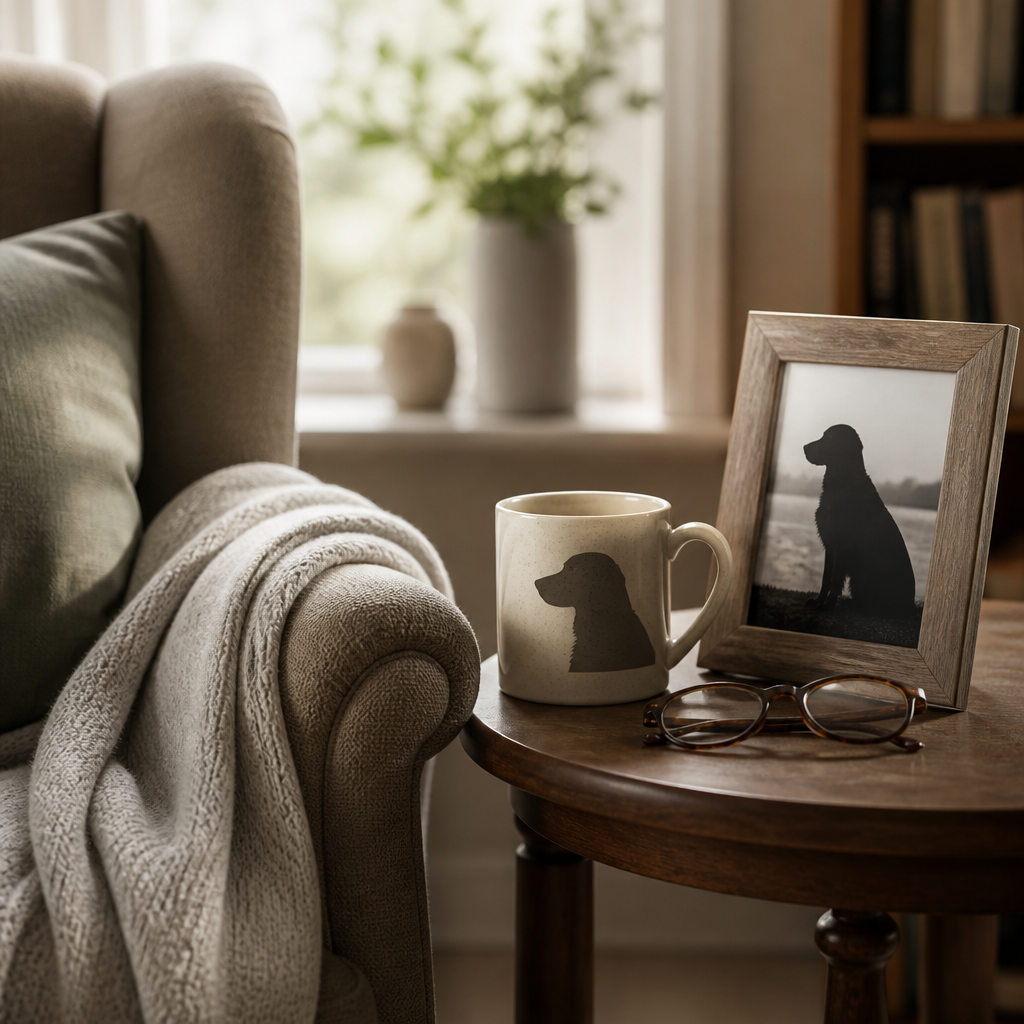
Many seniors spend a good part of their day with their pet, so the absence is felt in every quiet hour. You might notice the empty spot by the armchair, the leash still hanging by the door, or the habit of reaching for a bowl that's no longer there. These small moments can add up to a deep sense of isolation, especially for someone living alone.
In practice, this is where a memorial gift can help most. A physical keepsake gives your grief somewhere to land, and it can sit in the room where you spend your time, so the love stays present without asking anything of you.
When Others Don't Quite Understand
Some older owners hear remarks like "It was only a dog" or "You can always get another one." Those comments sting, even when they come from people who care. Pet loss is sometimes underestimated by the people around you, and that can leave you feeling you have to hide how much you're hurting.
A common mistake is waiting for others to validate your grief before you honor it. You don't need permission. Choosing a memorial that names your pet and marks the years you shared is a perfectly valid way to say, "This mattered."
When Your Companion Was Your Whole Routine
For many seniors, a pet is the reason the day has a shape. There's the early walk, the afternoon nap in the same patch of sun, and the evening ritual that never changed. When that rhythm breaks, the loss can feel bigger than the animal alone.
The Routines You Still Reach For
Try writing down the small routines you shared before you choose a gift. Maybe your dog always waited by the mailbox, or your cat rode on your shoulder while you made tea. Those details are the heart of a meaningful memorial, and they often point to the right gift more clearly than any catalog.
Once you have that list, look for something that echoes it. A mug can sit beside your morning coffee, and a blanket can join your reading chair. The gift works best when it fits into the life you still have, not a life you're trying to recreate.
The most comforting memorial is often the one that matches the daily life your pet actually shared, not the one that looks best on a shelf.
Naming the Role They Played
Some people find it helps to name exactly what their pet did for them. A companion who eased anxiety, got you outside every day, or simply stayed by your side at night deserves more than a generic tribute. Personalizing a gift with your pet's name and a short phrase about that role makes the keepsake feel specific and true.
If you're helping someone else choose, ask them to tell you a favorite memory. Their answer will guide you more reliably than any list of popular options.
Wearable Keepsakes That Stay Close
Some grieving owners want their pet close all day, not just on a shelf. Wearable keepsakes make that possible, quietly, and without drawing attention unless you want them to.
Engraved Rings and Cremation Jewelry
Engraved rings are one of the most direct ways to carry a memory with you. A band with your pet's name and dates can be worn every day, and it suits people who don't want to explain their grief to every stranger they meet. Cremation jewelry goes a step further, since some pieces hold a small portion of ashes. At The Soul Keep, our engraved rings are made for owners who want something small, steady, and always within reach.
Pro tip: Before you order any piece that holds ashes, ask the provider exactly how much it can hold and how the ashes are placed inside. A keepsake feels most comforting when you already know how it works.
Keeping Ashes Close Without Feeling Exposed
Not everyone wants to wear a memorial in public. Some seniors prefer a keepsake they can keep in a drawer or on a bedside table. Many funeral and cremation providers offer options such as framed fur clippings with a photo and nameplate, which sit quietly on a wall and still feel deeply personal.
If your hands ache or your eyesight is changing, look for pieces with larger lettering or clasps that are easy to manage. Comfort matters more than style when you'll be handling something every day.
Comfort Pieces for Quiet Days
Not every grieving owner wants a piece of jewelry. Many older adults find more comfort in something soft, warm, and useful, something that becomes part of the daily routine instead of a reminder they have to wear.
Custom Blankets for the Favorite Chair
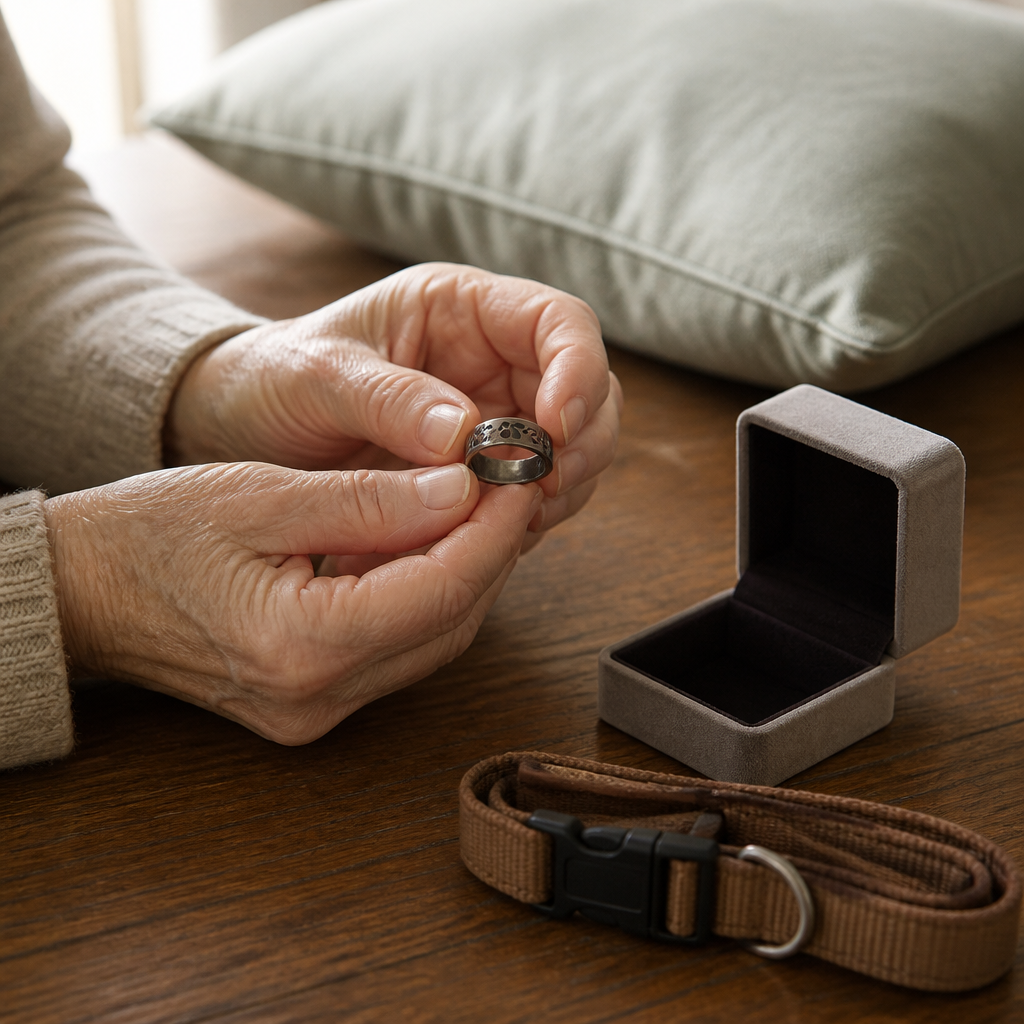
A custom blanket can drape over a recliner, a couch, or a bed. Many seniors spend long stretches sitting, and a blanket that carries your pet's name or photo turns those hours into a gentle way to remember. The Soul Keep creates custom and woven blankets designed to feel like comfort, not decoration.
Think about size and weight before you order. A lighter throw is easier to lift and fold if you have arthritis or limited strength, while a larger blanket may be better for sharing with a visiting grandchild.
Pillows and Mugs That Fit a Slower Pace
A memorial pillow can rest on the sofa or tuck behind your back during long reading sessions. A ceramic mug, used each morning, brings your pet into a moment that already happens every day. Both work well for owners who want their keepsake to feel like part of home life.
A common mistake is buying a set of items that ends up unused in a cabinet. Choose one or two pieces you'll actually reach for, and let the rest wait until you feel ready.
Comparing Common Memorial Gift Types
Choosing among memorial gifts gets easier when you see how each type fits a different kind of grief and daily life. The table below compares three common approaches. None is best in every case, so think about how your loved one would want to spend time with the memory.
How the Three Approaches Compare
Wearable pieces offer the most constant closeness, but they require comfort with jewelry and sometimes with talking about ashes. Blankets and pillows work quietly at home, though they're less portable. Mugs and car ornaments bring the pet into routines outside the house, which can be a lovely balance for someone who still drives or runs errands often.
| Gift Type | Best For | Things to Consider |
|---|---|---|
| Engraved rings and cremation jewelry | Owners who want their pet close all day and prefer something discreet | Confirm how much ash the piece holds and how it is filled before ordering |
| Custom blankets and memorial pillows | Seniors who spend long hours at home in a favorite chair or bed | Consider weight, size, and washing care, especially if handling is harder |
| Ceramic mugs and car ornaments | Owners who want a daily, gentle reminder in familiar places | Check that the design still feels right after the first few weeks |
Matching the Gift to the Owner
Start with how the person lives now, not how they lived when the pet was healthy. Someone who has moved into a smaller apartment may want one compact piece, while someone who still hosts family dinners may welcome something to display. Matching the gift to real routines helps you avoid the quiet regret of an item that never gets used.
Helping Family and Friends Choose a Gift
If you're trying to find a gift for an older friend or relative, you may feel anxious about getting it wrong. That worry is natural. Most people are moved by a thoughtful gesture, as long as it comes with genuine care.
Questions to Ask Before You Order
Ask a few gentle questions first. What was the pet's name, and where was their favorite spot? Did the family choose cremation, and do they want the ashes kept close, displayed, or set aside? Has the loss been recent, or has it been several months? Their answers will steer you toward a gift that feels right rather than generic.
Pro tip: Ask one trusted family member to help you choose, so the older owner doesn't have to make every decision alone. Shared decisions can feel lighter when the grief is still fresh.
Writing a Note That Goes With the Gift
A short handwritten note can mean as much as the gift itself. Mention a specific memory, such as the way the pet waited at the window, and say you're thinking of them. Writing a letter to the pet is a practice many families use, and you might invite your loved one to write one too.
Keep the note brief. Two or three warm sentences are plenty, and there's no need to offer advice or suggest a timeline for healing.
Small Rituals for the First Months
Grief doesn't end when the package arrives. For many older owners, the first months bring a mix of heavy days and quiet ones, and small rituals can give those days some shape.
Simple Ceremonies at Home
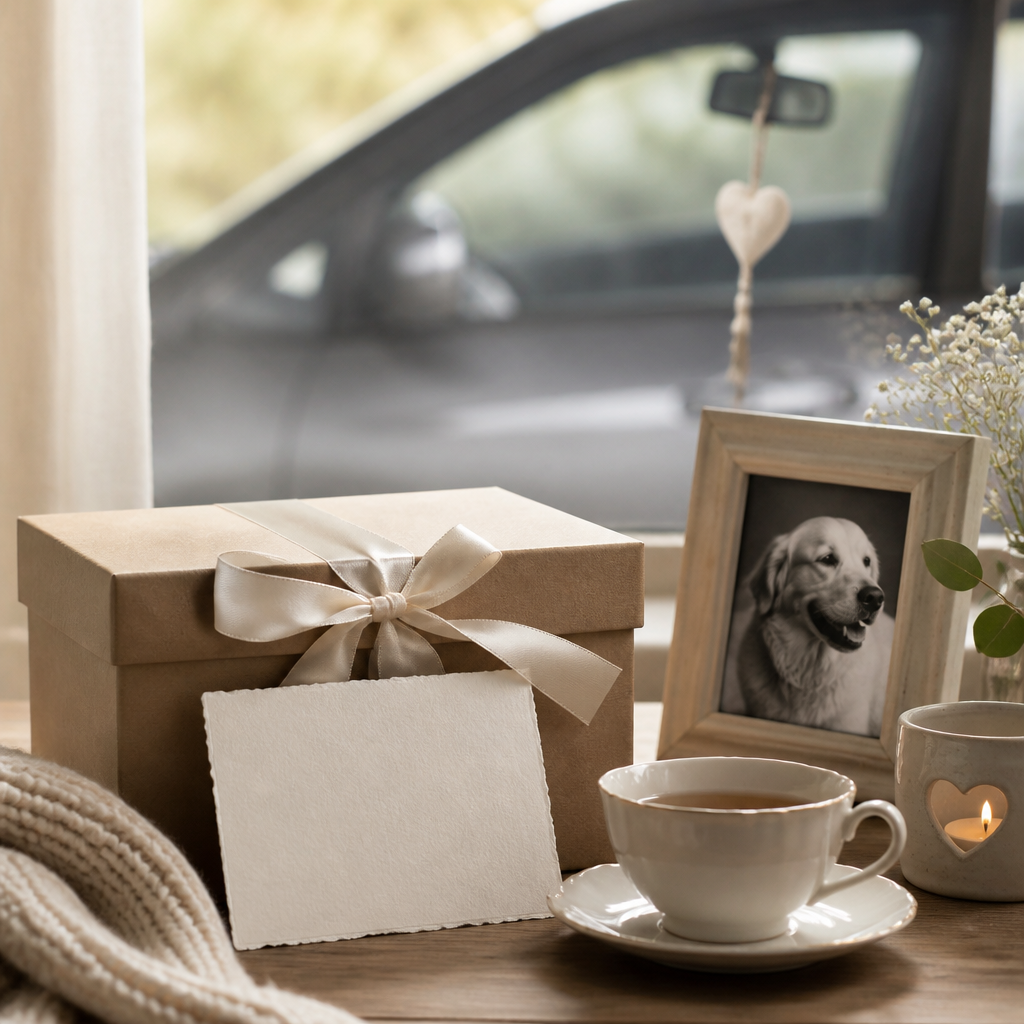
A small memorial gathering doesn't need a venue or a program. Invite a few close friends or family members, share a favorite story, and set out the pet's photo or a candle. Holding a small ceremony with close family and friends is one of the traditions families often choose, and it adapts easily for seniors who don't want a big event.
Planting, Photos, and Letters
Some owners find comfort in planting a tree or a small garden in their pet's memory. If gardening is hard for you, a scrapbook or photo album filled with favorite moments can be just as meaningful, and it can be shared with grandchildren later. Writing a letter to your pet, saying what they meant to you, gives you a place for words that feel hard to say out loud.
There's no rush on any of it. You can do one small ritual this week and nothing at all next month, and both are healthy ways to grieve.
Frequently Asked Questions
What are the best pet memorial gifts for seniors who live alone?
Look for pieces that need no setup and fit into a daily routine, such as a custom blanket for a favorite chair, a memorial pillow, or a ceramic mug for morning coffee. Wearable keepsakes like engraved rings also work well, since they offer closeness without needing a special place in the home.
When is the right time to send a memorial gift to someone grieving a pet?
There's no single right time. Some people appreciate a gift in the first few days, while others find that a thoughtful gift a few weeks or months later means even more, since the first wave of support often fades by then.
What should I buy as a gift for an elderly pet owner who doesn't want anything too big?
Choose one small, personal item rather than a set. An engraved ring, a single mug, or a car ornament with the pet's name keeps the gesture gentle and easy to live with.
Are cremation jewelry and keepsake urns a good choice for older owners?
They can be, as long as the owner wants ashes kept close and feels comfortable with the idea. Ask the provider how much ash each piece holds and how it is filled, and consider whether a keepsake urn on a shelf might feel easier to manage than something worn every day.
How can I support an older friend through elderly pet loss grief without overwhelming them?
A short phone call, a coffee visit, or a simple card can go a long way. Offer specific help, like picking up groceries or sitting together, and avoid pushing them to move on or replace the pet before they're ready.
Can a memorial gift still help if the pet passed away a long time ago?
Yes. Many people carry grief for years, and an anniversary, a birthday, or a holiday can bring it back. A memorial gift given at that time can feel like a warm acknowledgment that the bond still matters.
We'd love to hear how you honored your own companion, or which gift helped someone you love, so please feel free to share your experience with us.
References
- Guide to meaningful pet memorial gift ideas for cats and dogs
- Pet memorial traditions and keepsake ideas for families after loss
- Article on helping seniors cope with pet loss and loneliness
- Review roundup of pet loss and memorial gifts