

What to Buy Someone Who Lost a Dog: Memorial Gift Ideas
Knowing what to buy someone who lost a dog can feel harder than it should. You want to show up for them, but a sympathy card can feel thin, and a bouquet fades long before the grief does. The good news is that a thoughtful memorial gift can do something words sometimes can't: give their dog a lasting place in everyday life. In this guide, we'll walk through gift ideas that honor the companion, how to match a gift to the dog's personality, and what to write alongside it. There's no rush and no perfect answer. Just a few gentle places to start.
Table of Contents
- Quick Takeaways
- Start With the Dog, Not the Gift
- Keepsakes That Carry the Dog's Name
- Comfort in Woven Blankets and Pillows
- Everyday Objects for Morning Routines
- Comparing Three Common Memorial Gift Types
- What to Write Alongside the Gift
- Timing, Dates, and Gentle Follow-Up
- Gifts and Phrases to Handle With Care
- Frequently Asked Questions
- References
Quick Takeaways
| Key Insight | Explanation |
|---|---|
| Match the gift to the dog's story | A gift that echoes a real habit, like a favorite spot on the couch or a daily walk, feels personal rather than generic. |
| Ask before you order | Ask the owner for the dog's name and one favorite memory. Getting the name right matters more than any design choice. |
| Favor keepsakes they can use | Blankets, pillows, and mugs fit into daily life, so the memory shows up in ordinary moments rather than only on special days. |
| Skip the replacement message | Gifts that hint at getting a new pet, or that rush the grief along, can hurt. Keep the focus on the dog who died. |
| Plan for the weeks after | Cards and casseroles tend to arrive early. A gift that lands a few weeks later often carries more meaning. |
| Keep the note short and true | Name the dog and share one specific memory. A few honest sentences beat a long message full of platitudes. |
Start With the Dog, Not the Gift
Before you browse anything, think about the dog. Every dog has a particular way of filling a home: the sock they stole every morning, the spot by the back door, the way they waited at the window for someone to come up the driveway. A memorial gift built around one of those details feels personal in a way a generic paw print never quite does.
The first step is simple. Reach out to your friend and ask a gentle question about their dog. Something like "What was he like when he was happiest?" usually opens the door. Most people are glad to talk about their companion, and what they share will tell you more than any product page.
Gather the Details Gently
Ask for the dog's name and how it's usually spelled, since a nickname and a registered name are often different. Listen for the small habits people mention in passing, like a favorite toy or a nightly ritual. Those details become the thread that ties your gift to the life they shared.
If your friend seems tired or talks around the loss, don't push. You can say, "I'd love to hear about him whenever you're ready." That line gives them room, and it tells them you're still thinking about their dog.
Let Their Home Guide the Choice
Take a quiet look at how your friend lives. Someone who keeps the dog's bed in the living room may welcome a soft blanket for the couch. A person who prefers a tidy, private space might appreciate a small keepsake that sits on a shelf and doesn't demand attention. In practice, the gift that fits the home is usually the gift that gets used.
Pro tip: If you can't reach the owner directly, look back through the photos they've shared about the dog. Pictures often reveal favorite colors, spots, and toys, which helps you choose something that feels right without putting them on the spot.
Keepsakes That Carry the Dog's Name
Some people want a gift they can hold, wear, or see every day. A piece that carries the dog's name tends to say, "I remember him too," without needing a long speech. Two options come up again and again for good reason, and both can be personalized with the dog's name, a date, or a short phrase.
Engraved Rings for Everyday Wear
An engraved ring is a quiet way to keep a companion close. Your friend can wear it to work, on errands, or during the hard afternoons when the house feels too still. Choose a short engraving, such as the dog's name or a paw print, because small, simple lettering reads more clearly over time.
Before you order, think about how your friend uses their hands. Someone who gardens, cooks, or works with tools may prefer a sturdy style they can wear without worry. If you're unsure about size, choose a style that can be resized later.
Acrylic Memorials for a Desk or Shelf
Acrylic memorials have a clean, modern look that suits many homes. A photo set inside clear material catches the light and brings the dog's face into a room without crowding it. This works especially well for someone who wants a visible tribute on a desk or bookshelf.
Photo choice matters more than most people expect. Pick a picture where the dog's face is clear, the lighting is natural, and the background isn't distracting. A sharp shot of the dog looking toward the camera often reads best at a glance.
Comfort in Woven Blankets and Pillows
Grief tends to settle hardest in the evening, when the day's noise drops away and the empty spot on the floor is easy to notice. Soft textiles meet that moment. A blanket or pillow gives your friend something warm to hold, and it gives the dog's memory a place in the room where they used to rest.
Why a Woven Blanket Works So Well
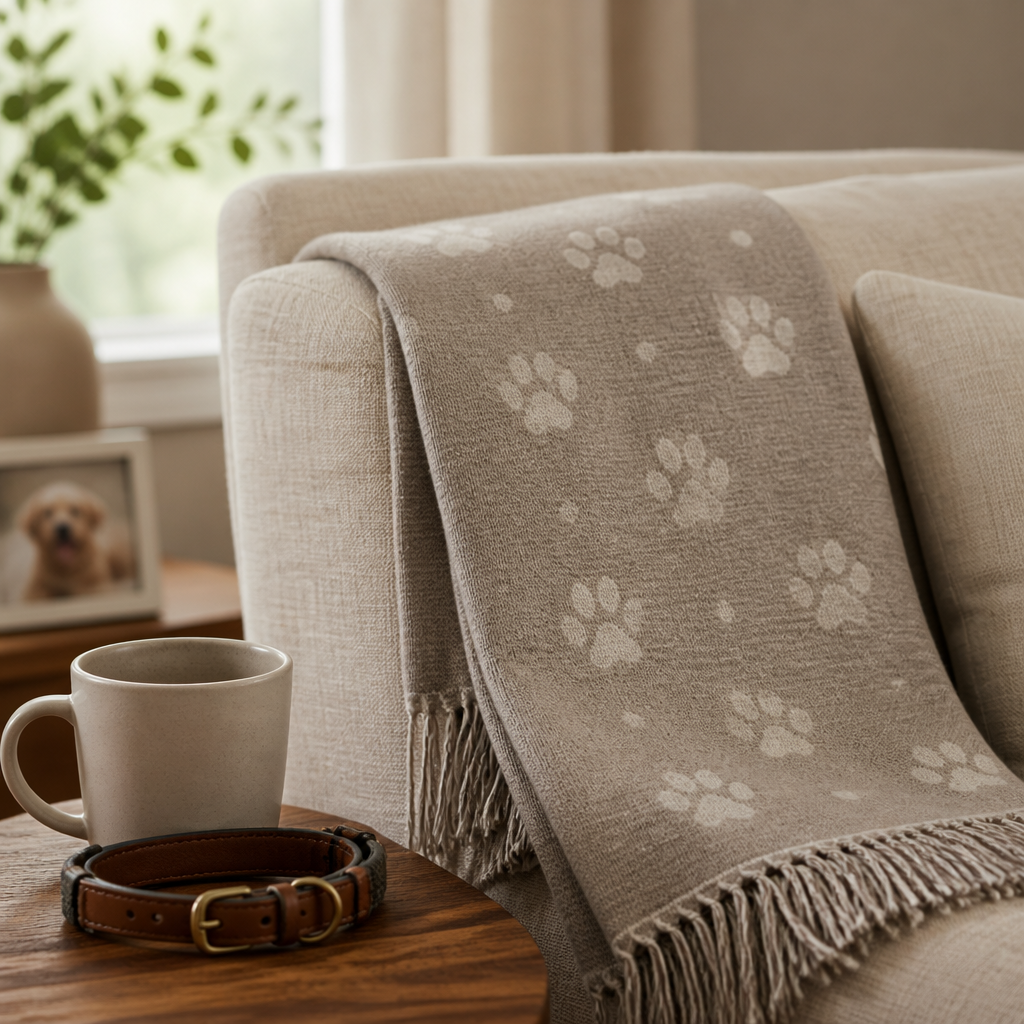
A woven blanket has weight and texture, and it can be wrapped around shoulders on the couch. Many people find that the blanket becomes the thing they reach for on hard nights. At The Soul Keep, our woven blankets are designed for exactly that kind of daily comfort, with a memorial design that feels like a tribute rather than a decoration.
Choose a size that fits how your friend actually sits or sleeps. A throw suits a single armchair, while a larger blanket may suit someone who curls up on the sofa with a cup of tea. If you're unsure, a mid-size throw is a safe middle ground.
Pillows With a Photo or Pawprint
A memorial pillow turns a familiar spot into a small, gentle tribute without any big announcement. Place one on the bed or sofa where the dog used to sleep, and your friend has a reminder every time they sit down. Pillows also suit people who don't want anything too formal in their home.
Keep the design simple. A single photo, a paw print, and a short phrase usually look better than a crowded layout. Also think about your friend's color palette, because the pillow should blend in rather than fight with the furniture.
Pro tip: Add a line to your card about where you imagine the blanket or pillow will go. It shows you paid attention to their home and their dog, and it gives them a gentle picture of how the gift might feel to use.
Everyday Objects for Morning Routines
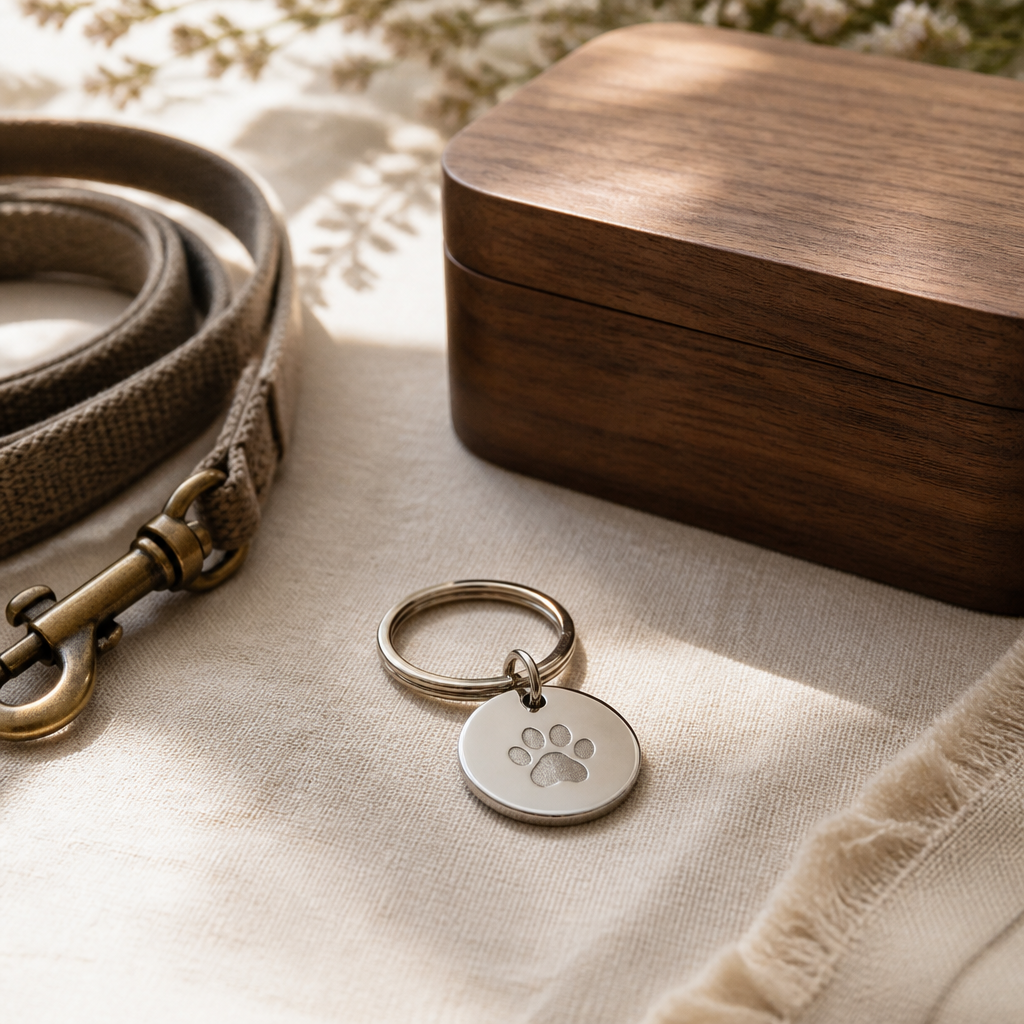
Some of the most comforting memorials are the ones that show up in ordinary moments. A coffee cup at the start of the day or a charm on the car mirror can keep the dog's memory present without asking your friend to stop and grieve. For many people, these small, routine touches make the loss feel a little more bearable.
Ceramic Mugs for Quiet Mornings
A ceramic mug with a paw print, a name, or a favorite photo is a gift that gets used every day. Mornings are often when grief surfaces, especially when the usual routine included a walk or a breakfast the dog would have sat beside. A mug can be part of that moment without making it heavy.
Think about how your friend makes their coffee or tea. A mug they can hold with both hands, or one sized for their usual drink, will feel more natural. Check the care instructions before you order so you know how easily it can be washed.
Car Ornaments for the Daily Drive
A car ornament hangs where your friend will see it on every drive, whether that's the school run, the commute, or the trip to the park the dog loved. Many people find the sight of it comforting, a small reminder of their companion as they head out for the day.
Ornaments need to be secure and easy to hang. Ask about the mounting style before you buy, and consider whether your friend's car has a rearview mirror that can hold a charm. A simple design is best, so it doesn't pull attention away from the road.
Comparing Three Common Memorial Gift Types
Choosing between a keepsake, a textile, and an everyday object can feel like a lot of options at once. This comparison can help you narrow it down by looking at how each gift will actually be used. Think about the person you're buying for, not just the design you like best.
| Gift Type | Best For | Things to Consider |
|---|---|---|
| Engraved ring or acrylic memorial | Someone who wants a daily reminder they can wear or see at a glance | Keep the engraving short, use a sharp photo, and check sizing or placement before ordering |
| Woven blanket or memorial pillow | Someone who finds comfort at home, especially in the evenings | Choose a size and color that fits their space, and think about where the piece will live |
| Ceramic mug or car ornament | Someone who wants a small memory woven into their routine | Check care instructions and mounting style, and keep the design simple enough to use without a second thought |
Looking across the three, a pattern emerges. Keepsakes that sit on display suit people who like to see the dog's face, while textiles suit people who need something soft. Everyday objects suit people who want the memory to show up quietly in the middle of a normal day.
If you're still torn, ask yourself which gift will still feel right in six months, not just the week the news arrived. You can browse the full range at The Soul Keep to see how each piece looks in person.
What to Write Alongside the Gift
A gift tells your friend you care, but the card tells them why. Many people feel stuck at this part, worried that any words will come out wrong. You don't need poetry. A few honest, warm sentences will usually land better than a long message.
Words That Feel Warm and Honest
Start with the dog's name. Something like, "I'm thinking of you and of Max. I loved hearing how he greeted you at the door," gives your friend a memory to hold. It treats the dog as someone who mattered, not just as a loss.
You can also offer a specific kind of help. "I'd love to take you for coffee next week if you want the company" is more useful than "let me know if you need anything," which puts the work back on them.
Grief rarely needs a perfect sentence. It needs proof that someone remembers the dog and is willing to sit with the person who loved them.
Phrases That Can Sting
Some well-meaning phrases can make grief feel smaller. "At least he's not suffering anymore" or "It was just a dog" can hurt, even when they come from a kind place. Likewise, "You'll get another one soon" suggests the dog can be swapped out, which is rarely what the person wants to hear.
Keep the focus on the dog and the bond. Saying "He was lucky to have you" or "I know how much she meant to you" lets your friend feel understood without being rushed toward the next step.
Pro tip: Write the card by hand if you can, even if it's short. A handwritten note often feels more personal, and your friend may keep it with the gift as part of the memory.
Timing, Dates, and Gentle Follow-Up
Many people send something in the first few days, when sympathy cards and casseroles arrive in a rush. That's kind, but it's also when the house is already full of attention. A memorial gift that arrives a few weeks later often feels like a quieter, more lasting kind of support.
Anniversaries and Special Days
Some dates tend to hit harder than others. The dog's birthday, the anniversary of the loss, or the day they first came home can bring the grief back to the surface. A gift timed near one of these days shows you remember the dog as part of your friend's story.
If you're not sure of the date, you don't need to guess. Ask your friend, or simply plan to reach out in the weeks after the loss, when the early support has faded. A note that says "I was thinking of him this week" can mean as much as a gift.
Arriving After the First Wave
A package can arrive when your friend is still in the middle of a hard stretch, so think about tone. Include a card that doesn't require a reply. A short message that says "no need to write back" lets them open the gift when they're ready, with no pressure to respond.
With the holiday season approaching this fall, many grieving owners are bracing for the first celebration without their dog. A keepsake that can sit on a mantel or hang among the decorations may feel warm rather than sad. Order early, since personalized pieces can take longer to produce during busy months.
Gifts and Phrases to Handle With Care
Not every gift that seems thoughtful lands the way we hope. Most missteps come from good intentions, like wanting to cheer someone up quickly or wanting to lighten the mood with a joke. A little care at this stage keeps the gift focused on the dog it honors.
Replacement Pets Are a Different Conversation
Some people give a new puppy or a toy that resembles the lost dog, hoping it will help. For many grieving owners, that gesture can make the loss feel rushed past. Unless your friend has said they're ready to talk about another pet, it's usually best to leave that idea alone for now.
Instead, focus on the dog who died. A memorial item with their name and a favorite memory tells your friend that their companion's life still matters, which is what most people are really looking for.
Novelty and Humor Can Miss the Mark
Jokey mugs, playful slogans, or puns about the dog can feel out of place in the first weeks of grief. Some people do find humor healing, but you can't always tell which kind of person you're gifting. When in doubt, choose warmth over wit and let your friend decide how light they want to feel.
A good rule of thumb is to picture the gift in the moment your friend opens it on a quiet evening. If it would feel jarring in that moment, pick something gentler.
Pro tip: If your friend has already shared a photo or a favorite phrase about their dog, use that same language in the card or the engraving. Hearing their own words back is one of the most comforting things a memorial can offer.
Frequently Asked Questions
What is a good gift for someone who lost a dog?
A good gift connects to the dog's real life and fits the person's daily routine. Popular choices include engraved rings, acrylic memorials, woven blankets, memorial pillows, ceramic mugs, and car ornaments. The best pick depends on whether your friend wants something to wear, display, cuddle, or use every morning.
Is it okay to send a gift weeks after the loss?
Yes, and it's often especially welcome. Early support can be overwhelming, while a gift a few weeks later shows you're still thinking about them. A short note like "I've been thinking of you and your dog this week" fits well with a delayed gift.
What if I didn't know the dog very well?
You don't need a long history to send something meaningful. Ask your friend about the dog's name, favorite habits, or a photo they love, and focus your note on how much the dog meant to them. Your friend will appreciate the effort even if you only met the dog once or twice.
Do I need to explain the gift or any care instructions?
A short card that says what the gift is and that no reply is needed is usually enough. If the item needs gentle care, such as a ceramic mug that should be hand washed, a brief line can help. Keep it simple so the gift doesn't add to their load.
How do I choose between a keepsake and something for everyday use?
Think about how your friend has been coping so far. If they seem to want the dog close in a visible way, a keepsake fits well. If they're missing the daily rhythm of life with the dog, an everyday object like a mug or car ornament may feel more comforting.
Feel free to share your own experience with us, including which gift helped you or someone you love remember a dog and what made it feel right.